

How to Choose the Right General Contractor
Call directly(737) 230-7099Tell us what you need.
Takes about a minute. We'll follow up within one business day. No pressure, no upsells.
Why Choose Over and Above Contracting for How to Choose the Right General Contractor
Are you a homeowner planning a new home project? Are you worried about juggling different subcontractors while managing your day-to-day life? Hiring the right general contractor for exterior home improvements is one of the most important decisions you'll make before breaking ground. The right contractor keeps your project on schedule, on budget, and built to last. The wrong one costs you time, money, and plenty of headaches.
Whether you need a shingle roof repair or a full exterior renovation after hail damage, a reliable general contractor manages everything from start to finish — coordinating subcontractors, sourcing materials, and keeping the job moving so you don't have to. Here's a practical, step-by-step guide to hiring the one that's right for you.
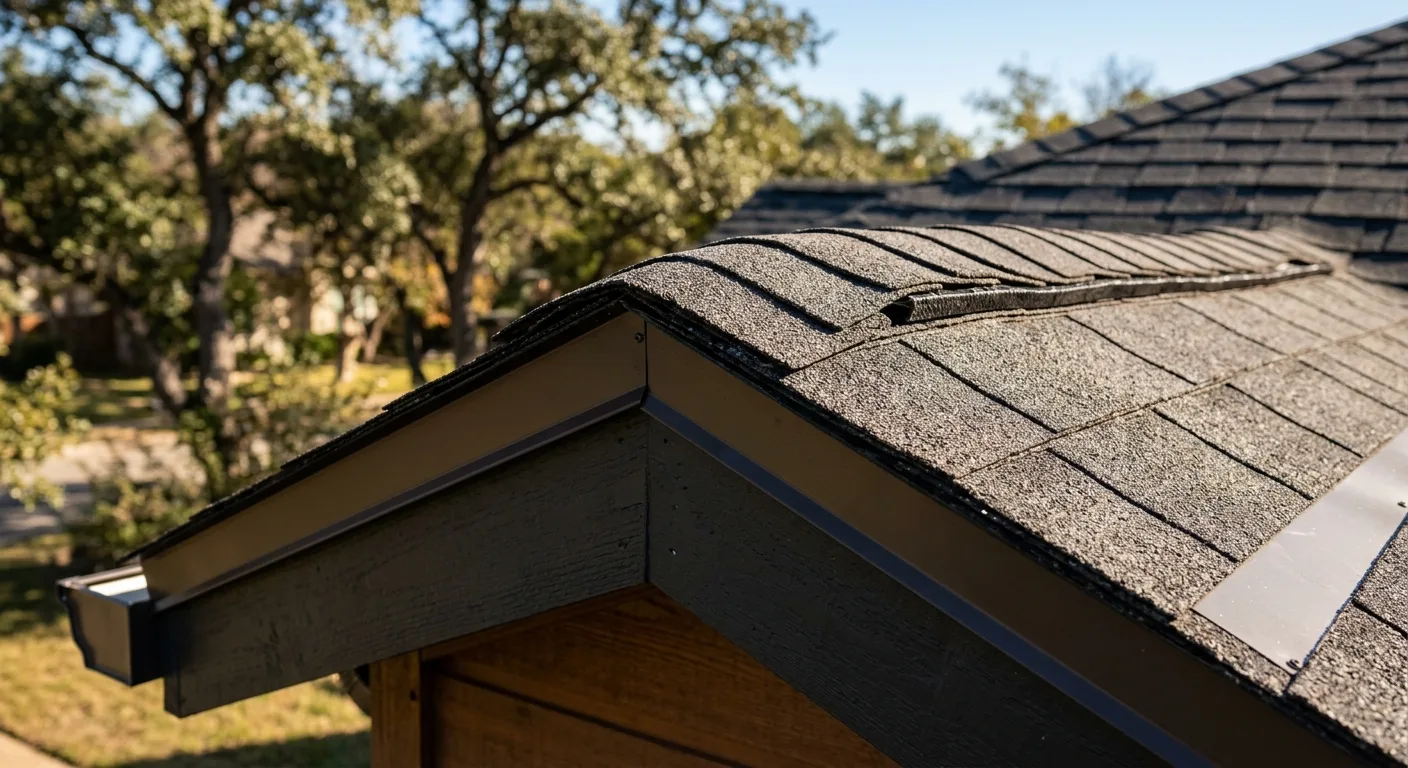
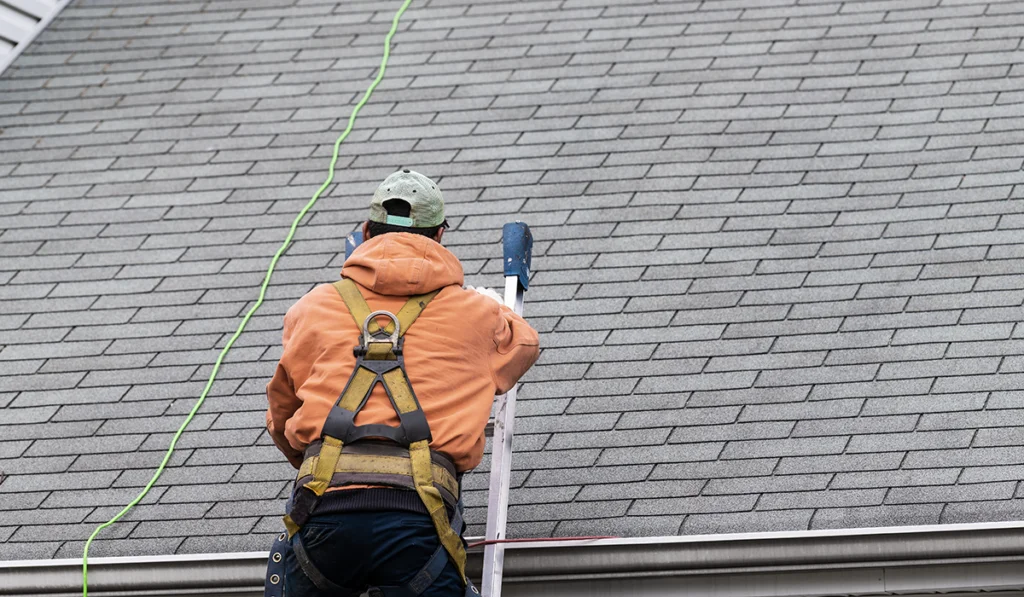
AI-generated roofer image for how-to-choose-the-right-residential-general-contractor
Step 1: Define Your Project Needs Before Hiring
Start by getting clear on what you actually need. Outline the project scope, budget, and timeline before you talk to anyone. The more specific your plan, the better you'll be able to evaluate whether a contractor has the skills to execute it. Vague expectations lead to vague proposals — and disputes down the road. Write down your material preferences, your target completion date, and your hard budget ceiling. Bring that document to every conversation.

AI-generated roofer image for how-to-choose-the-right-residential-general-contractor
Step 2: Research and Shortlist Local Contractors
Start your search online, but don't stop there. Ask neighbors, family members, or friends for referrals — a recommendation from someone who's already hired a contractor in your area carries real weight. As you build your list, look at experience with similar project types, licensing status, portfolio quality, and the range of services they offer. Shortlist three to five contractors that look like a fit, then start making contact. Local matters: contractors who work in your area understand regional building codes, weather conditions, and material availability. A Round Rock roofing contractor who knows Central Texas hail season, for example, brings context that an out-of-state crew simply doesn't have.
AI-generated roofer image for how-to-choose-the-right-residential-general-contractor
Step 3: Check Credentials and References
Before you invite anyone to bid, verify that each contractor on your shortlist is licensed and insured. In Texas, this isn't optional — it protects you if something goes wrong on the job. Look up online reviews and read them critically. Ask each contractor directly for references from recent clients, then follow up and actually call those references. Ask about communication, timeline accuracy, and how the contractor handled any problems that came up. A contractor's track record with past clients tells you more than any sales pitch.
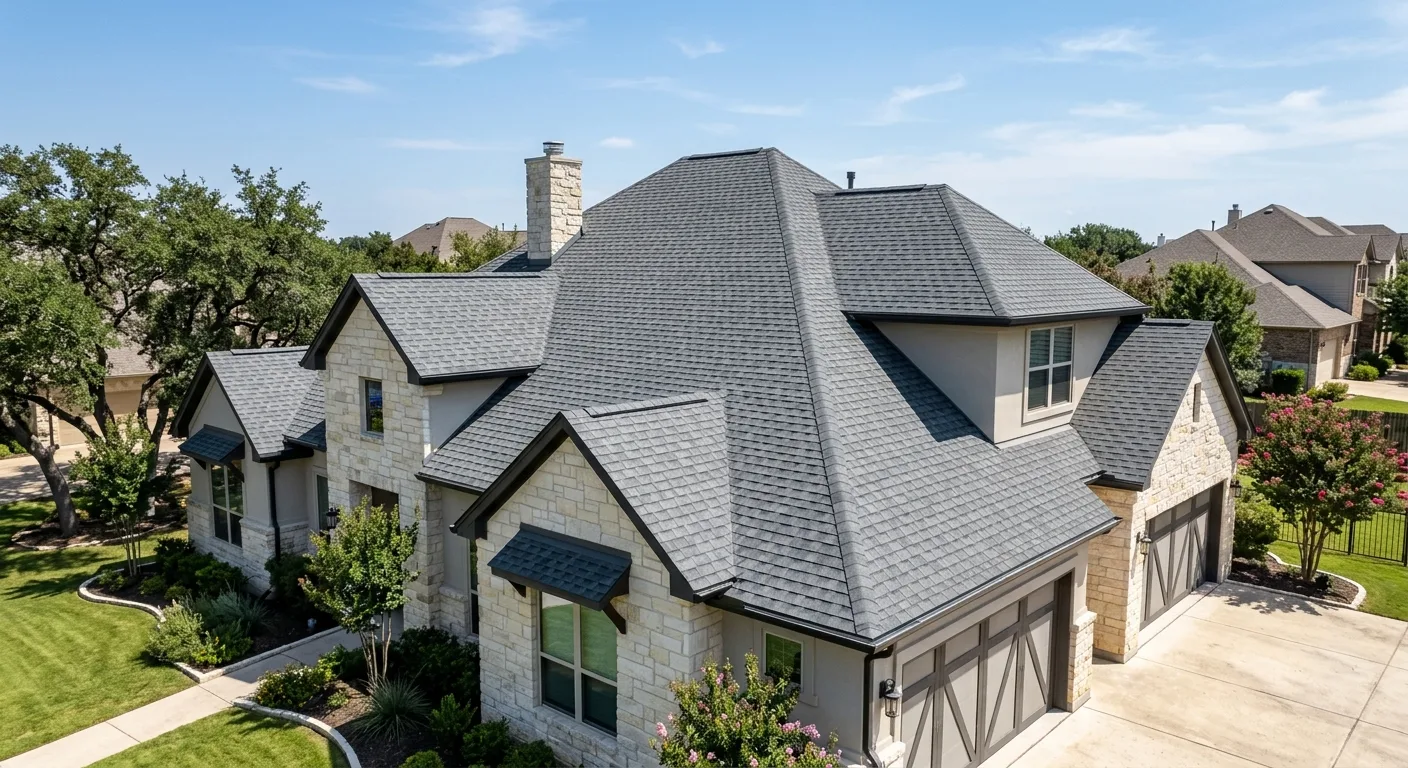
AI-generated roofer image for how-to-choose-the-right-residential-general-contractor
Step 4: Request Detailed Written Proposals
Ask each contractor on your shortlist to submit a written proposal. A solid proposal covers the complete cost breakdown, the subcontractors involved, the materials to be used, and a realistic project timeline. Any contractor who can't or won't put these details in writing is waving a red flag. Compare the proposals carefully — not just on price, but on completeness and clarity. A lower number that leaves out key line items isn't a better deal. If a contractor's residential roofing services proposal is vague on materials or skips subcontractor details, ask why before you proceed.
AI-generated roofer image for how-to-choose-the-right-residential-general-contractor
Step 5: Interview and Assess the Fit
Once you've narrowed the field, sit down with each remaining contractor — in person or on a call. Pay attention to how they communicate. Are they responsive? Do they give you straight answers or dodge specifics? A good residential contractor explains things clearly, sets realistic expectations, and doesn't pressure you into a rushed decision. Professionalism at the proposal stage usually predicts professionalism on the job site.
AI-generated roofer image for how-to-choose-the-right-residential-general-contractor
Step 6: Sign a Clear and Detailed Agreement
When you've made your choice, get everything in writing before any work starts. Your contract should include a full payment schedule, the names and roles of any subcontractors, a complete materials list, the project start date, and the expected completion date. Spell out what happens if there are delays, cost overruns, or work that needs to be redone. A well-written contract protects both sides and gives you a clear path to resolution if something doesn't go as planned. Don't skip this step or rush through it.
AI-generated roofer image for how-to-choose-the-right-residential-general-contractor
General Contractor Red Flags to Watch For
Not every contractor who shows up at your door is the right one for your project. Watch out for anyone who asks for a large upfront cash payment before work begins, can't provide proof of licensing or insurance, won't give you a written proposal, or pushes you to sign immediately without time to review. Storm-chasing crews who descend on neighborhoods after hail events and disappear just as fast are a common problem in Central Texas — if a contractor can't point to a local address and a track record in the area, dig deeper before you commit.
AI-generated roofer image for how-to-choose-the-right-residential-general-contractor
Conclusion: Take Your Time, Hire Right
Selecting the right general contractor takes time and careful thought — but it's worth every hour you put into it. A contractor who communicates clearly, backs up their work, and delivers on their commitments gives you peace of mind from day one to project completion. If your project involves roofing or exterior work in Central Texas, read about how Over and Above Contracting approaches residential projects — or call Mike directly at (737) 230-7099 to talk through what you need.
Frequently Asked Questions About Hiring a General Contractor
What does a general contractor actually do? +
Why hire a local general contractor instead of a national company? +
How much does a general contractor typically charge? +
Why does the project timeline need to be discussed upfront? +
How do I avoid disputes with my general contractor? +
Ready to Talk to a Contractor You Can Trust?
Over and Above Contracting is a Round Rock-based, owner-operated exterior contracting company. Mike Ennis handles residential roofing, siding, and storm damage work across Central Texas — and he answers his own phone. Call (737) 230-7099 or visit the contact page to request a free estimate.
Frequently Asked Questions
What does a residential general contractor actually do? +
How many contractors should I get proposals from? +
What should a written proposal include? +
Is a large deposit up front normal? +
Related
You Might Also Need
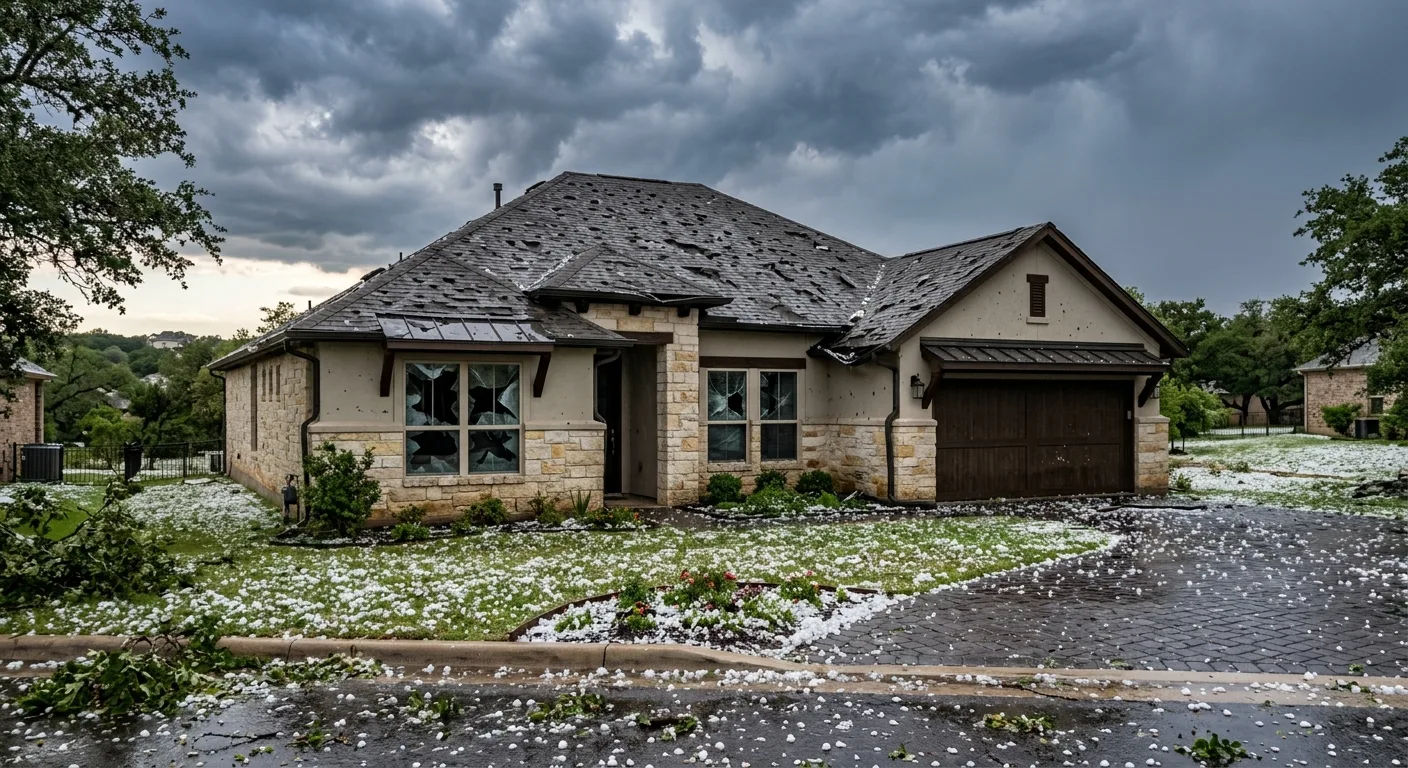
Hail And Storm Damage Restoration
Hail-damaged roof? Get it inspected before you call your insurer. Over and Above Contracting restores storm-damaged roofs right. Call Mike…
Reliable Repairs Emergency Roofing Services
Roof leaking after a storm? Here's what to do first. Over and Above Contracting responds fast, patches the damage, and protects your home.…

Residential Roofing Installation
New roof installation done right from decking to ridge cap. Get a free estimate from Mike Ennis at Over and Above Contracting. Call (737)…
From the Blog
How To Spot Hail Damage On Your Roof After A Round Rock Storm
Round Rock hailstorms can hide serious roof damage. Learn what to look for on asphalt shingles, gutters, and ceilings — and when to call a…
Questions To Ask Hiring General Contractor Texas
Before you hire a general contractor in Texas, ask these 7 questions. Protect your home, your budget, and your time — from a trusted Round…
Roof Hail Damage Guide
Learn how to spot roof hail damage, understand your repair options, file an insurance claim, and when to call a licensed roofing contractor…