
Family-owned · Round rock Local
How to Spot Hail Damage After a Round Rock Storm
Call directly(737) 230-7099FreeEst.
Free Estimate
Tell us what you need.
Takes about a minute. We'll follow up within one business day. No pressure, no upsells.
Round rock · Trusted Locally
Why Choose Over and Above Contracting for How to Spot Hail Damage After a Round Rock Storm
Experiencing a Texas storm can be stressful, especially when hail hits your neighborhood. If you're a homeowner in Round Rock, you may feel uncertain about your roof's condition after a hailstorm. Some damage is obvious — missing shingles, visible dents, debris everywhere. The real concern, though, is the subtle stuff: damage that looks minor from the ground but quietly compromises your roof over the next several months.
This guide walks through what to look for after a Central Texas hail event, from surface shingle damage to hidden interior leaks, and explains when a professional inspection is worth scheduling before you call your insurance company.
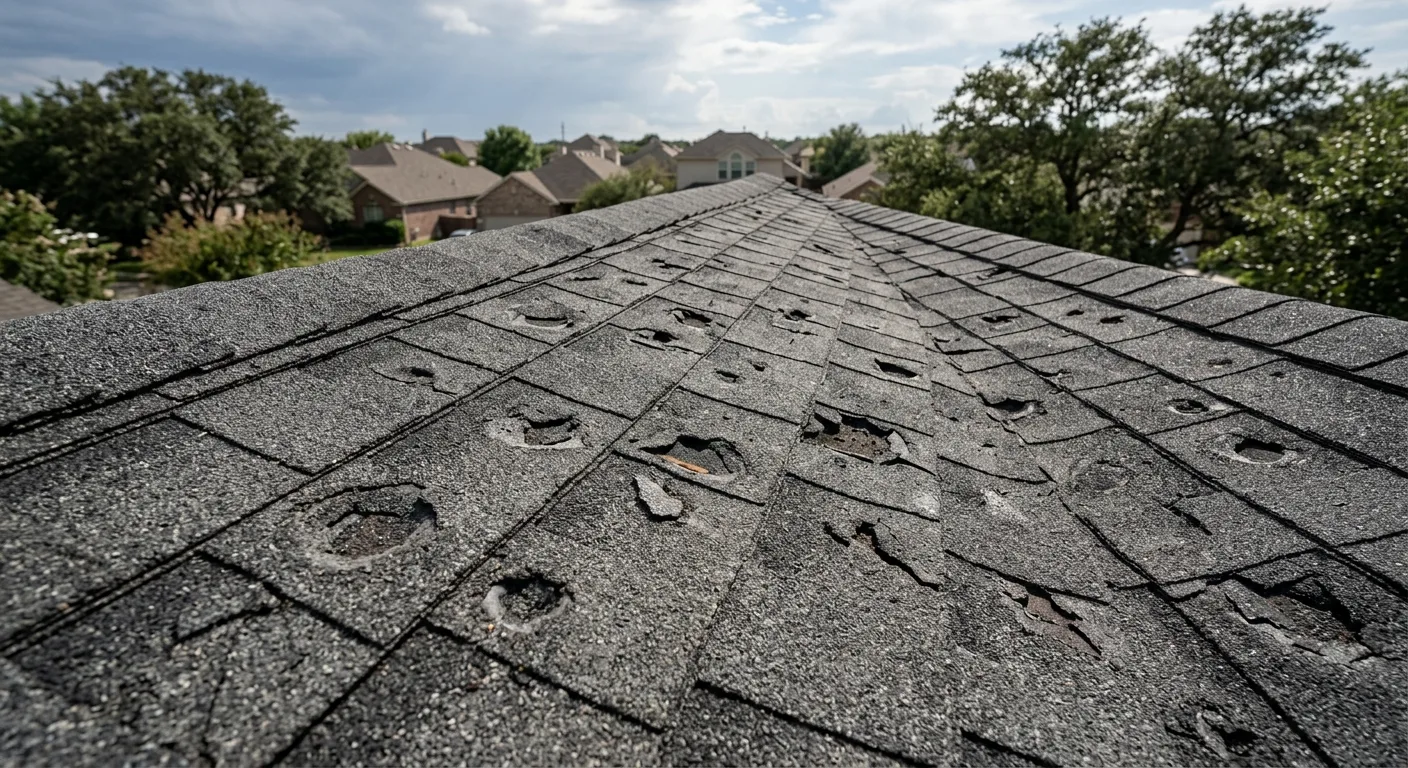
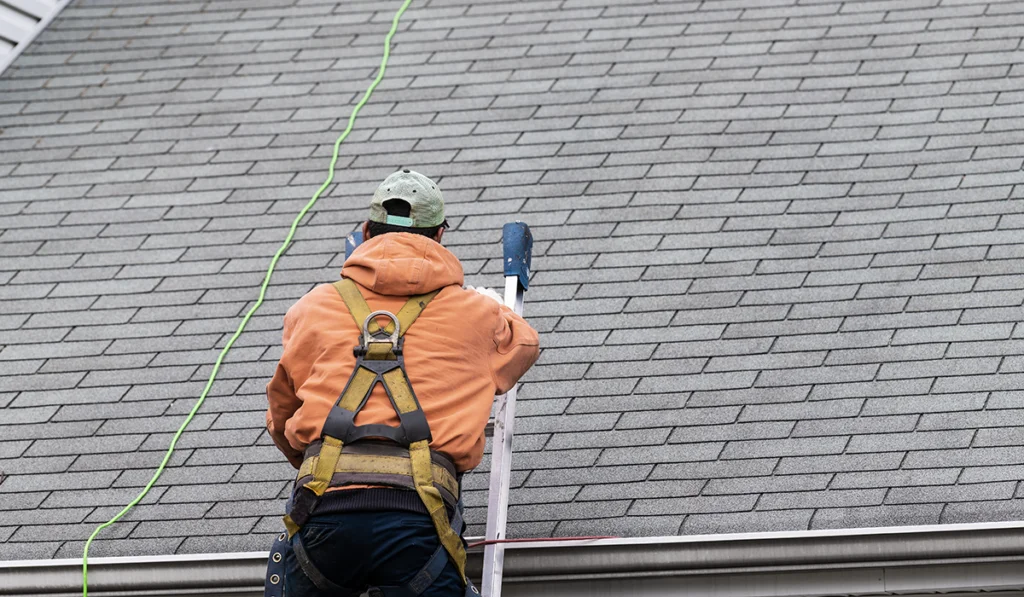
AI-generated roofer image for how-to-spot-hail-damage-on-your-roof-after-a-round-rock-storm
Common Signs of Hail Damage on Asphalt Shingle Roofs
After a hailstorm, start with a ground-level inspection using binoculars. You won't catch everything from down there, but you can identify obvious problem areas before a contractor gets on the roof. On asphalt shingles, the damage patterns hail leaves behind tend to follow a recognizable set of shapes and textures. Look for dark, irregularly shaped divots or black spots on shingle surfaces — these are impact points where the hail knocked granules loose and bruised the underlying mat. Run your hand across accessible areas of a lower slope and feel for soft or spongy spots, which indicate the fiberglass layer beneath has been fractured. Cracked or split shingles are another clear indicator, particularly on older roofs where the shingles have already lost some flexibility. Check your gutters and the ground around your downspouts as well. A significant volume of loose granules collecting there after a storm is one of the most reliable early signs that your shingles took a hit. You can read more about what different hail damage patterns look like and how they compare across roof types.

AI-generated roofer image for how-to-spot-hail-damage-on-your-roof-after-a-round-rock-storm
Why Small Hail Impacts Can Damage Your Roof Over Time
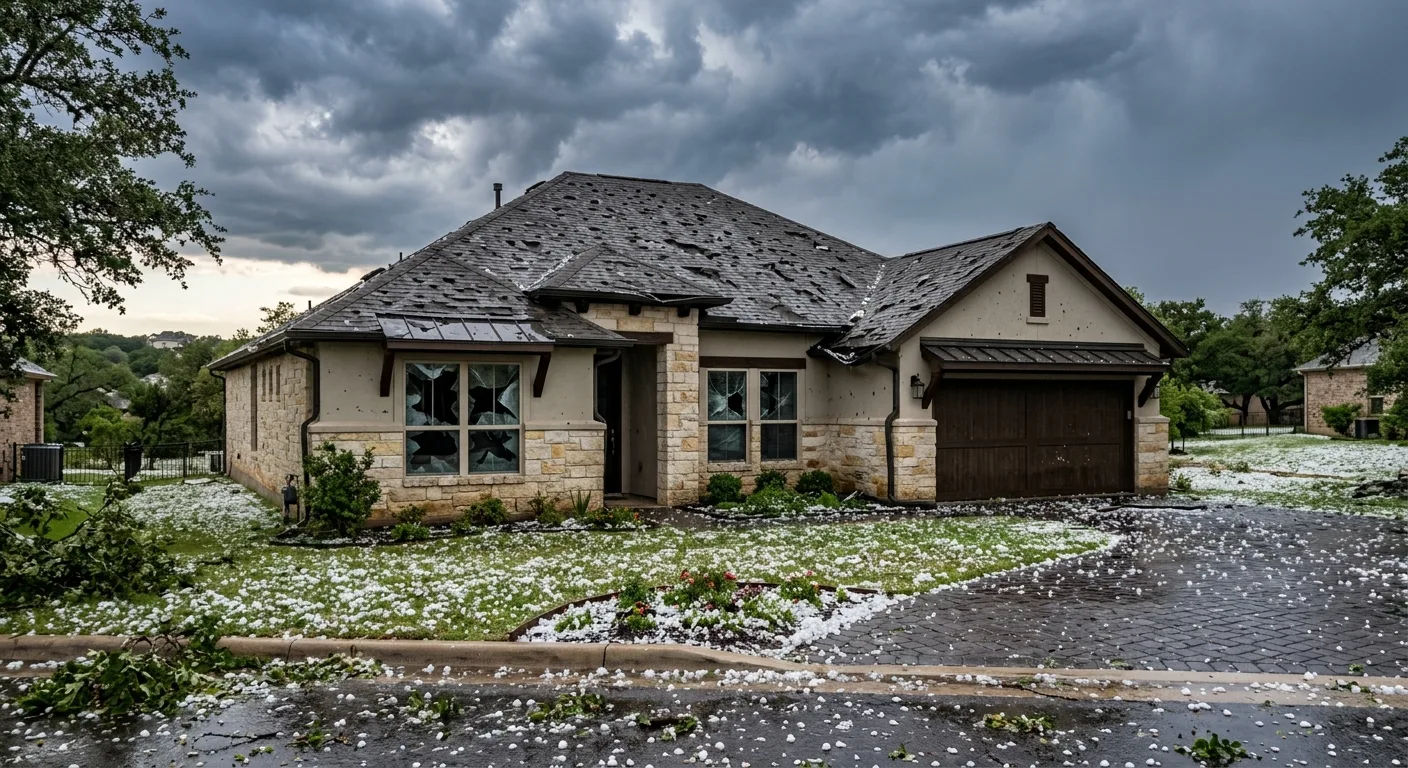
In Round Rock, hailstones can range from pea-sized to as large as golf balls. The large ones announce themselves — dents in gutters, shattered skylights, debris on the porch. The small ones are trickier. Even a quarter-inch stone hitting shingles repeatedly across a hailstorm's duration can knock loose enough granules to expose the underlying asphalt mat. Once that protective layer is compromised, UV exposure accelerates the breakdown. Moisture seeps into the layers that should be keeping it out. Over time, this leads to rot underneath, mold growth in the decking, and eventually leaks that feel like they came out of nowhere. The connection back to a storm that happened six months earlier is easy to miss. Central Texas heat compounds the problem — you can read more about how summer heat in our region ages roofs faster than homeowners expect. A small impact in April can become a leak by August.

Hidden Roof Leaks and Water Damage After Hailstorms
One of the more insidious effects of hail damage is the development of leaks that go undetected for weeks or months. These leaks may only become apparent after a heavy rain or once water stains have already spread across your ceiling. By that point, the damage has been building for a while.
Peeling or Bubbling Paint
Sagging Drywall
Musty Odors in the Attic

AI-generated roofer image for how-to-spot-hail-damage-on-your-roof-after-a-round-rock-storm
When to Book a Roof Inspection After Hail
Not every storm warrants an emergency call, but some situations make a professional inspection non-negotiable. Schedule a roof inspection promptly if the storm produced stones larger than a quarter — anything at that size or above is consistently capable of causing structural shingle damage. You should also act quickly if you notice visible debris or broken vegetation in the yard, which is a reasonable proxy for storm intensity. If neighbors on your street are already having their roofs assessed or if your home has sustained hail damage in previous seasons, don't wait to see if new damage appeared — have it confirmed. The difference between storm restoration and standard repair is also worth understanding before you call your insurance company, since the claim process is different depending on how the damage is classified.
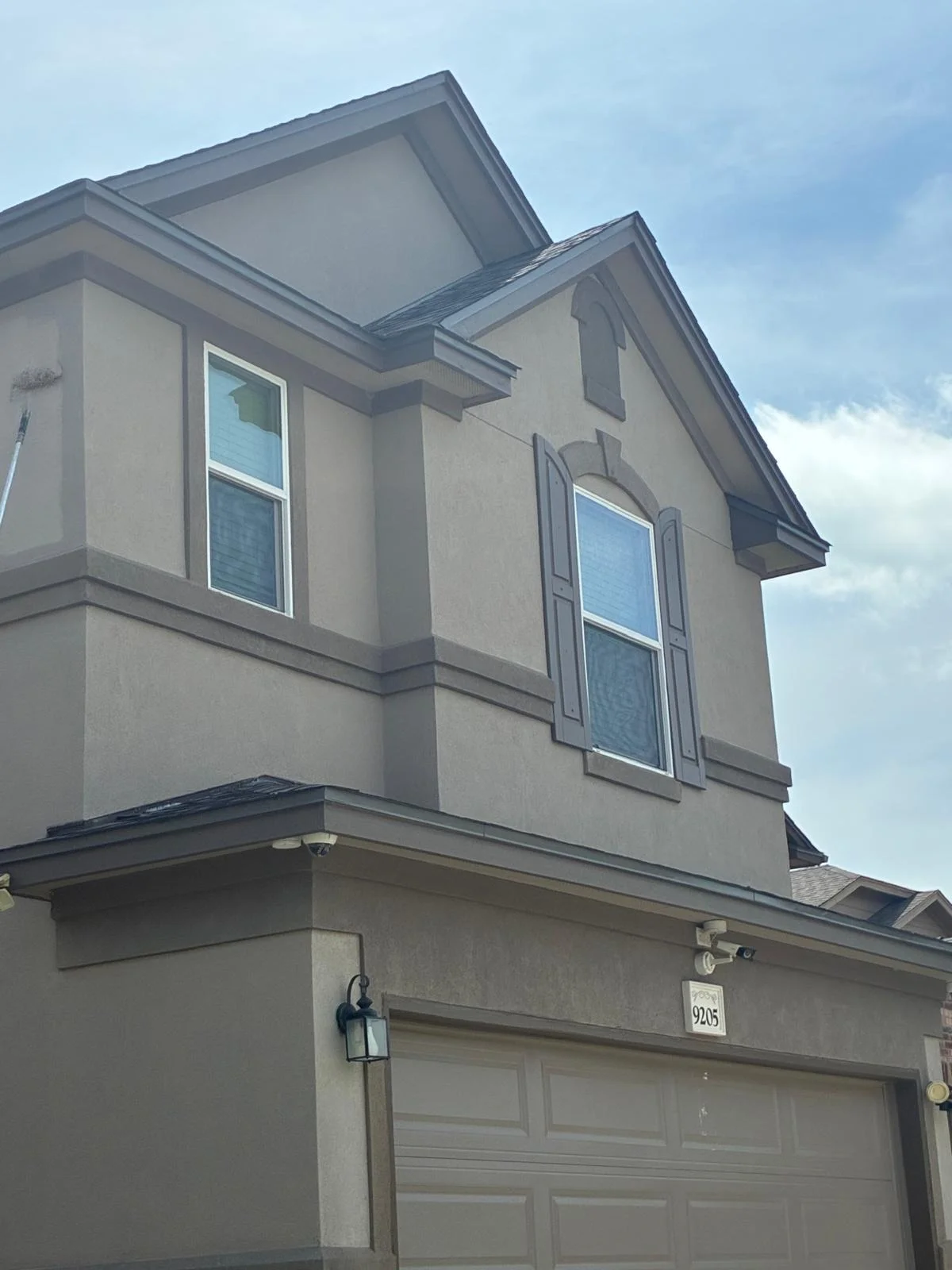
Exterior residential home showing roofline, gutters, and fascia details in daylight.
What a Professional Inspection Catches That You Won't
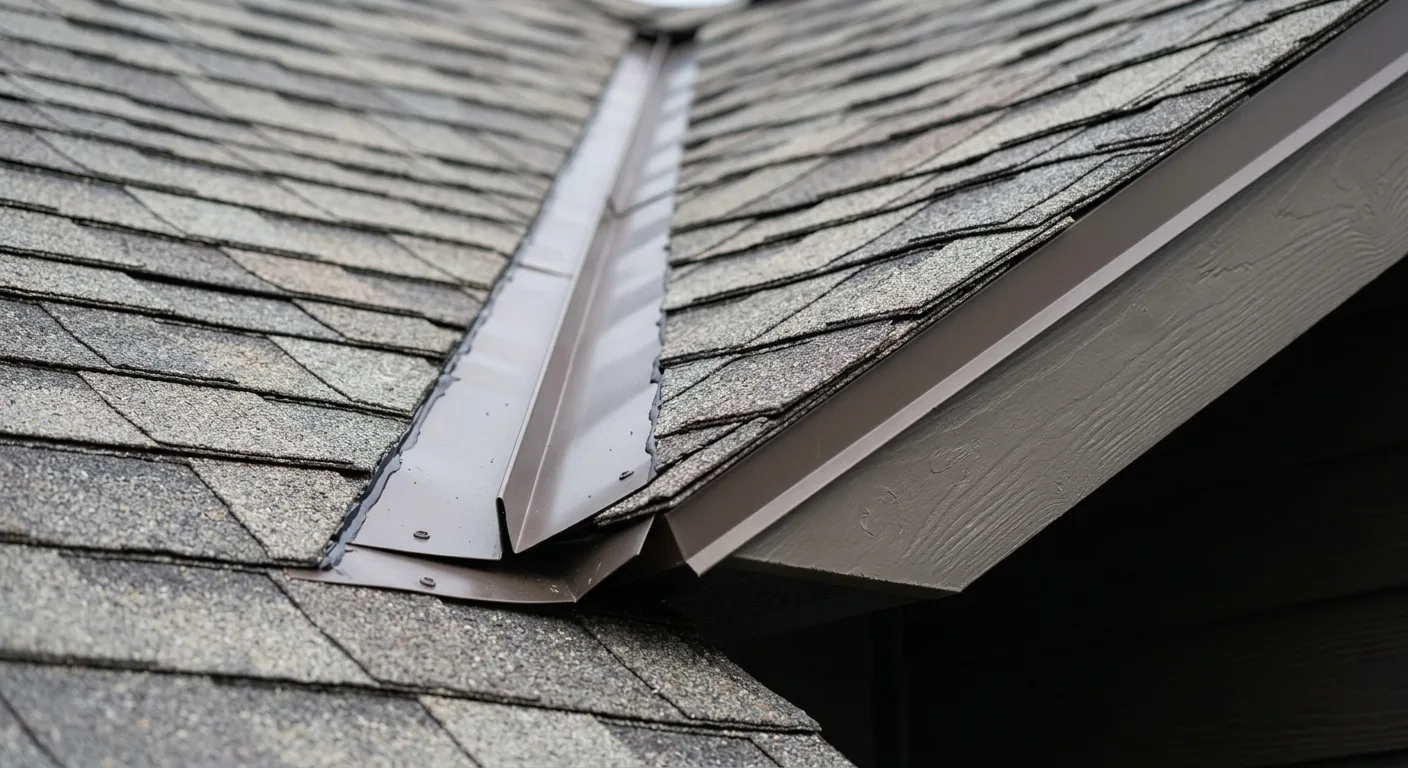
Ground-level checks are a reasonable starting point, but most meaningful hail damage requires a trained eye at close range. Professional roofing contractors bring the right safety equipment to access steep pitches and the experience to recognize patterns that don't look like much to a homeowner standing on the shingles for the first time. They also know where hail damage concentrates — ridgelines, valleys, north-facing slopes — and what to look for on metal components like flashing, vents, and gutters that confirm the scope of the storm's impact. Over and Above Contracting serves homeowners throughout Round Rock and the surrounding area. If you've been through a recent storm and aren't sure whether your roof came through clean, a professional assessment is the clearest way to find out. Our residential roofing services cover inspections, repairs, and full replacements — whatever the damage requires.
Schedule Your Round Rock Roof Inspection
If your home in Round Rock recently took hail, don't wait for a ceiling stain to confirm what a storm already started. Over and Above Contracting is local, responsive, and knows what Central Texas storms do to roofs. Call Mike directly at (737) 230-7099 or reach out through our contact page to schedule your inspection.
FAQ Common questions
Frequently Asked Questions
Answers below
What does hail damage look like on an asphalt shingle? +
A dark, round bruise where granules have been knocked away, often soft to the touch because the mat underneath is fractured. Random placement is the tell — manufacturing defects and foot traffic damage follow patterns, hail does not.
How big does hail have to be to damage a roof? +
Stones around one inch can bruise asphalt shingles, and smaller hail driven by high wind can do it too. Because Round Rock storms often pair hail with strong wind, size alone is a poor guide to whether your roof was affected.
Can I check for hail damage from the ground? +
You can gather useful evidence without climbing: look at gutters and downspouts for dents, check window screens, AC condenser fins, and soft-metal vents, and photograph anything you find. Those surfaces record the same storm your shingles did.
How soon after a Round Rock hailstorm should I book an inspection? +
Within a few weeks. Damage is easiest to attribute to a specific dated storm while it is fresh, and inspection schedules in Williamson County fill quickly once a significant hail event has moved through.
Related
Explore
You Might Also Need
Hail And Storm Damage Restoration
Hail-damaged roof? Get it inspected before you call your insurer. Over and Above Contracting restores storm-damaged roofs right. Call Mike…
Reliable Repairs Emergency Roofing Services
Roof leaking after a storm? Here's what to do first. Over and Above Contracting responds fast, patches the damage, and protects your home.…

Residential Roofing Installation
New roof installation done right from decking to ridge cap. Get a free estimate from Mike Ennis at Over and Above Contracting. Call (737)…
Guides
From the Blog
Questions To Ask Hiring General Contractor Texas
Before you hire a general contractor in Texas, ask these 7 questions. Protect your home, your budget, and your time — from a trusted Round…
Roof Hail Damage Guide
Learn how to spot roof hail damage, understand your repair options, file an insurance claim, and when to call a licensed roofing contractor…
Roof Hail Damage How It Affects Your Roof And What Homeowners Should Do
Hail can destroy a roof from the outside in — often without obvious signs. Learn how hail damages different roofing materials and what steps…