
Tell us what you need.
Takes about a minute. We'll follow up within one business day. No pressure, no upsells.
Why Choose Over and Above Contracting for How Summer Heat Ages Your Roof Faster
Every Central Texas homeowner knows summer heat is relentless. What fewer realize is how quickly those weeks of 100-degree temperatures can accelerate the aging of an asphalt shingle roof. By the time August winds down, your roof may already be showing early damage from months of intense sunlight, high UV radiation, and daily thermal expansion. Roof surfaces in Round Rock regularly exceed 150 degrees Fahrenheit — and that kind of sustained heat takes a measurable toll.
Understanding how the Central Texas climate affects your residential roofing system is one of the most practical things a homeowner can do. Catch the warning signs early, and a minor repair handles it. Ignore them, and you're looking at a much bigger problem the first time a fall storm rolls through.
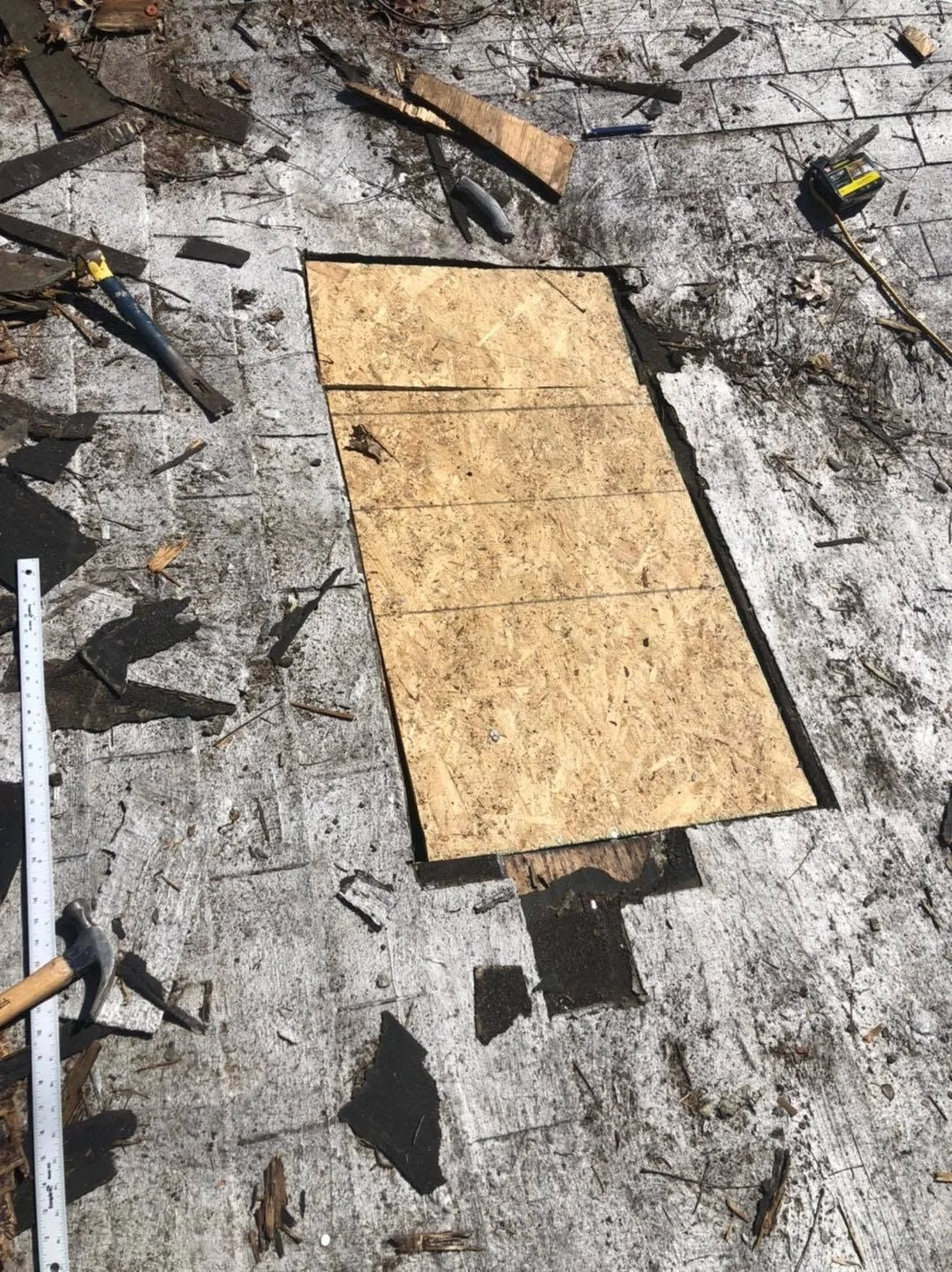
Roof decking installation in progress on a flat roof with plywood sheets laid out and construction tools scattered across the work surface.
Heat and UV: A Powerful Combination Against Asphalt Shingles
Asphalt shingles are engineered for durability, but they were not designed for the specific punishment Central Texas summers deliver season after season. Two forces hit simultaneously — intense UV radiation and extreme surface temperatures — and neither lets up from June through September.
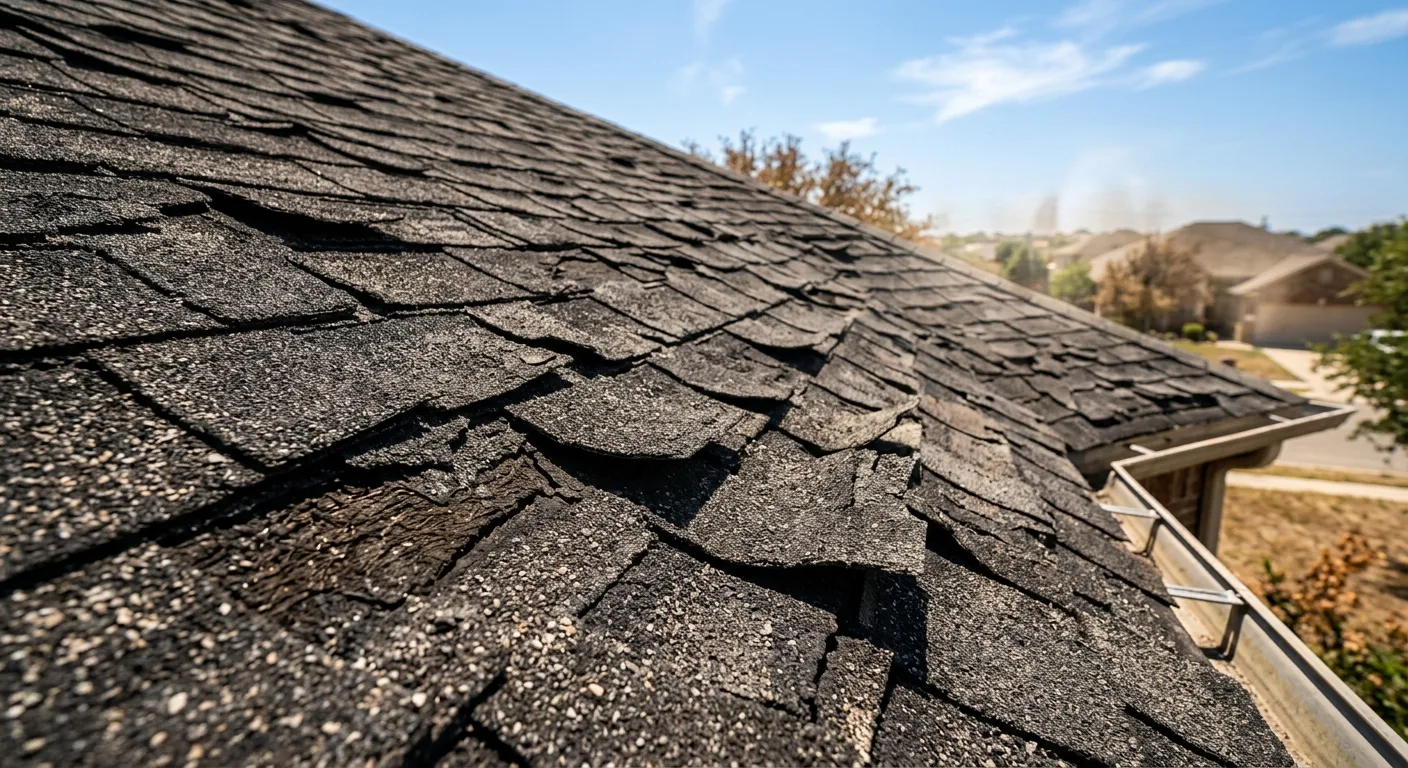
The result shows up in two predictable ways. First, granule loss: the ceramic granules bonded to the shingle surface begin to loosen and wash away. Those granules are not decorative — they reflect UV rays and protect the asphalt layer underneath. Once they're gone, the shingle degrades faster. Second, surface cracking: hot afternoons followed by cooler nights force shingles to expand and contract in a daily cycle. Over a full summer, that repeated stress leads to cracking and brittleness that no amount of patching fully corrects.
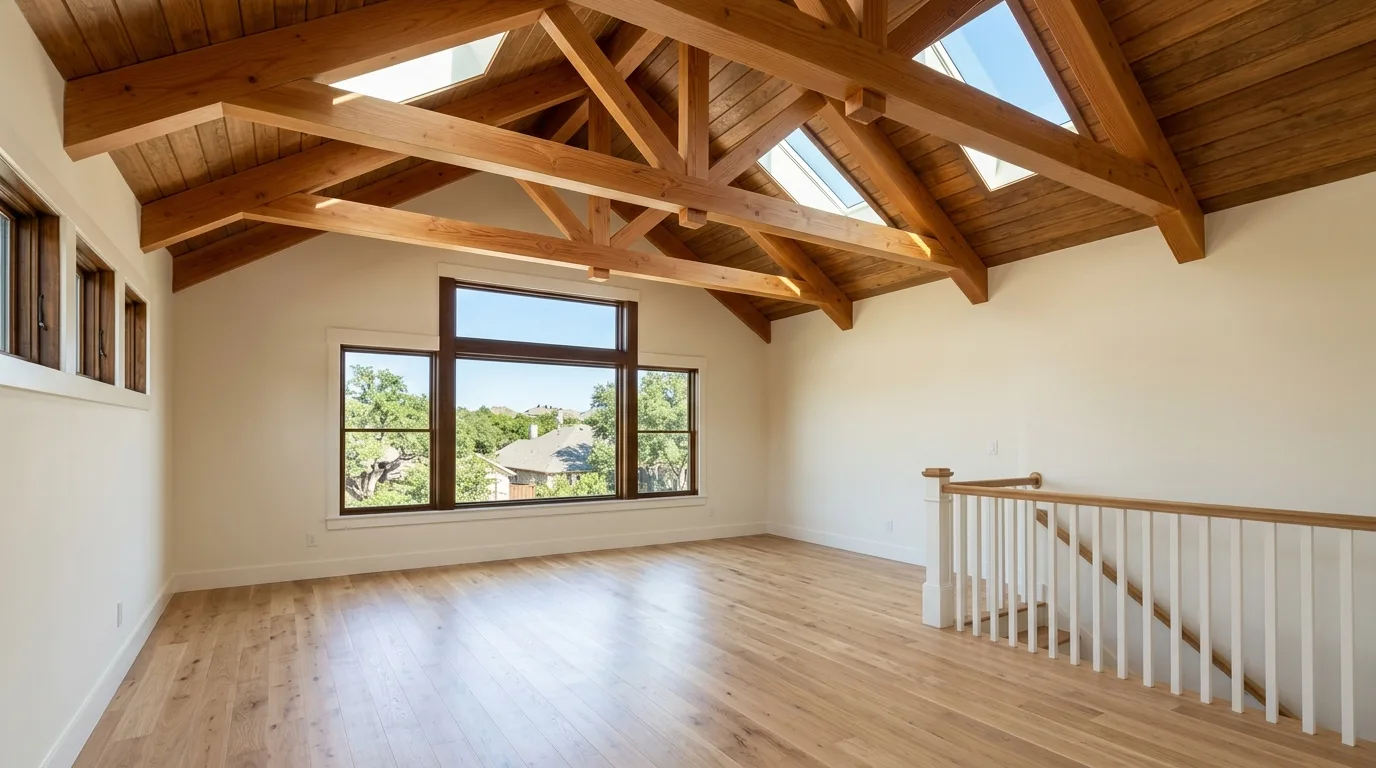
roofer work — project example in Round rock, TX
Signs of Heat Damage to Watch For as Summer Ends
Asphalt shingles are installed with adhesive strips that bond the rows together. Under sustained heat, those strips soften and degrade. The result is loose or curled shingles — ones that look fine from the street but will lift in the first strong wind.
Knowing what to look for before fall storm season arrives is worth the time. Common signs that summer heat has taken a real toll include:
Curling or wavy shingle edges — the most visible sign of weakened seals and a clear indicator that moisture intrusion is possible.
Bald spots or dark patches — areas where granules have sloughed off, leaving the black asphalt base exposed to direct sun.
Cracked or split shingles — particularly on the south- and west-facing slopes that absorb the most afternoon heat.
Granule buildup in gutters — check your downspout outlets after a rain. A heavy accumulation of grit is a direct signal that your shingles are shedding their protective layer.
Soft or spongy spots on the roof deck — if walking the roof reveals give underfoot, you may be dealing with moisture that has already worked its way into the decking.
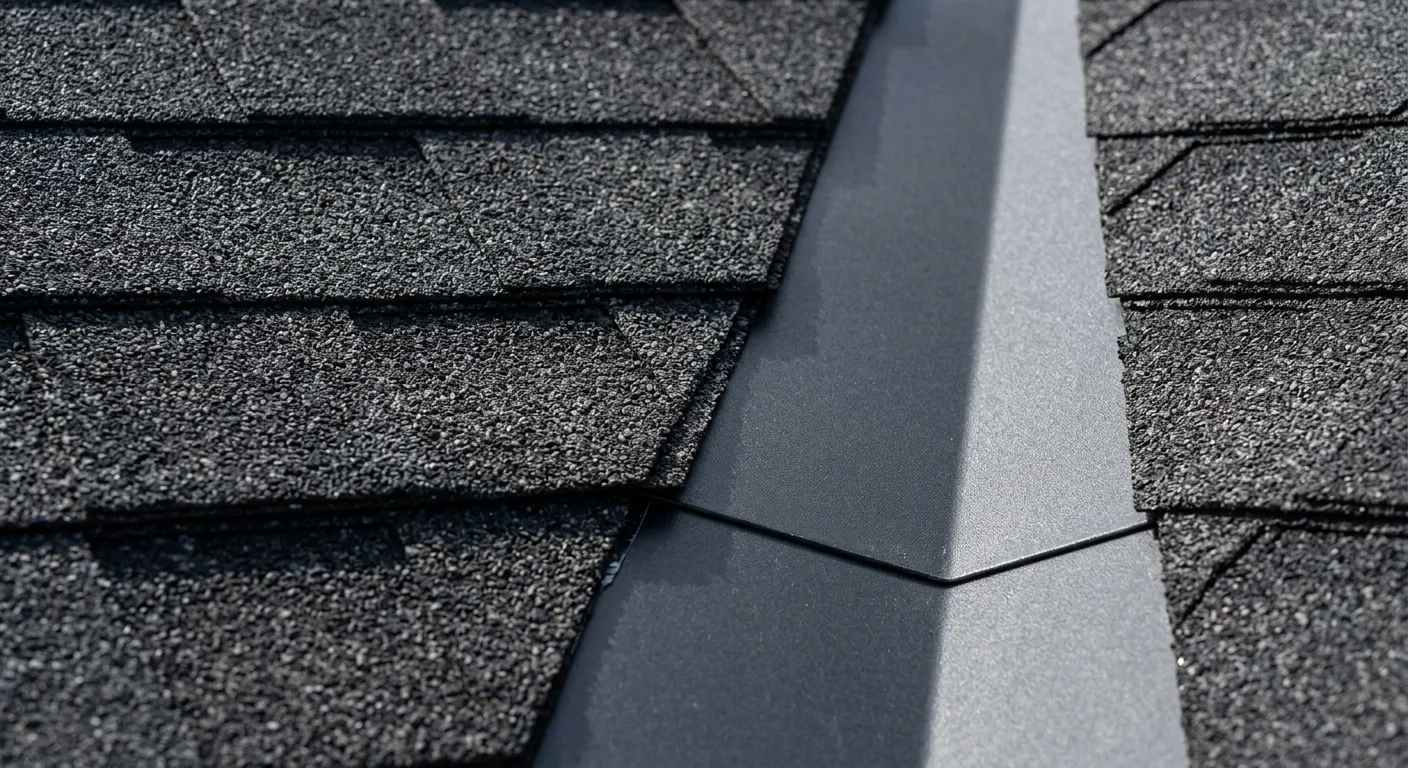
roofer work — project example in Round rock, TX
Why Central Texas Heat Outpaces Normal Wear and Tear
All roofs age. But Round Rock's summer climate accelerates that process in ways that cooler regions simply do not experience. Heat-related wear can shave several years off an asphalt shingle roof's expected lifespan when compared to the same product installed in a milder climate.
The problem is that heat damage tends to be invisible from the ground until something forces the issue — a leak, a fallen shingle, or a hail storm that exposes how fragile the system had already become. By then, the damage is more extensive and the repair bill is higher. A routine inspection at the end of summer, before Central Texas storm season fully kicks in, catches these issues at the lowest possible cost to fix them.
If you're curious how storm damage compounds what summer heat starts, our post on storm restoration vs. roof repair covers exactly that distinction.
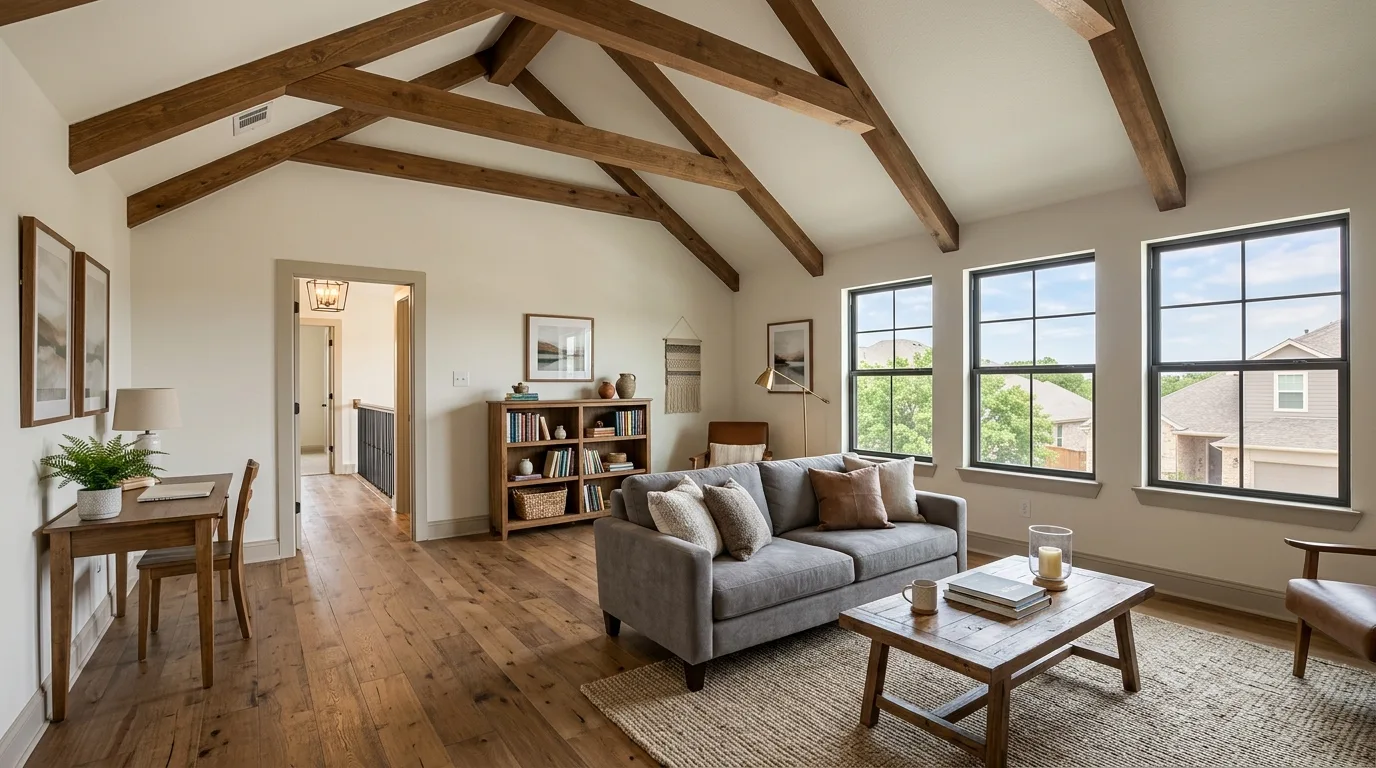
roofer work — project example in Round rock, TX
When Repair Makes Sense — and When Replacement Is the Right Call
Not every summer-damaged roof needs a full replacement. A professional inspection identifies what's localized and what's systemic — and that distinction drives the recommendation.
Repair makes sense when: damage is limited to a small section, the roof is relatively new, and the underlying decking is dry and structurally sound. Replacing a handful of cracked shingles or resealing lifted edges is a cost-effective fix that buys several more years.
Replacement becomes necessary when: granule loss is widespread across multiple slopes, cracking is systemic rather than isolated, or the decking itself shows signs of water intrusion. At that point, repairs are patching a system that has already failed.
The decision also depends on age. A 15-year-old roof showing moderate heat damage is in a different position than a 7-year-old roof with a similar surface appearance. Our roof replacement and repair page walks through what that process looks like with Over and Above Contracting. If you're unsure which direction makes more sense, a professional inspection gives you a clear answer without any commitment.
Schedule Your End-of-Summer Roof Inspection
If your home is in Round Rock or anywhere in Central Texas, the end of summer is the right time to get eyes on your roof — before fall storms expose what the heat already weakened. Over and Above Contracting specializes in roof repair and residential roofing services built around local conditions. We know what Central Texas summers do to asphalt shingles because we inspect and repair them every season. Call Mike directly at (737) 230-7099 or use our contact form to schedule an inspection. We'll tell you exactly what we find and give you a straight answer on what it needs.
Frequently Asked Questions
How hot does a roof surface actually get in Round Rock? +
What are the signs of heat damage on asphalt shingles? +
Does attic ventilation really affect how long a roof lasts? +
Is heat damage covered by homeowners insurance? +
Related
You Might Also Need
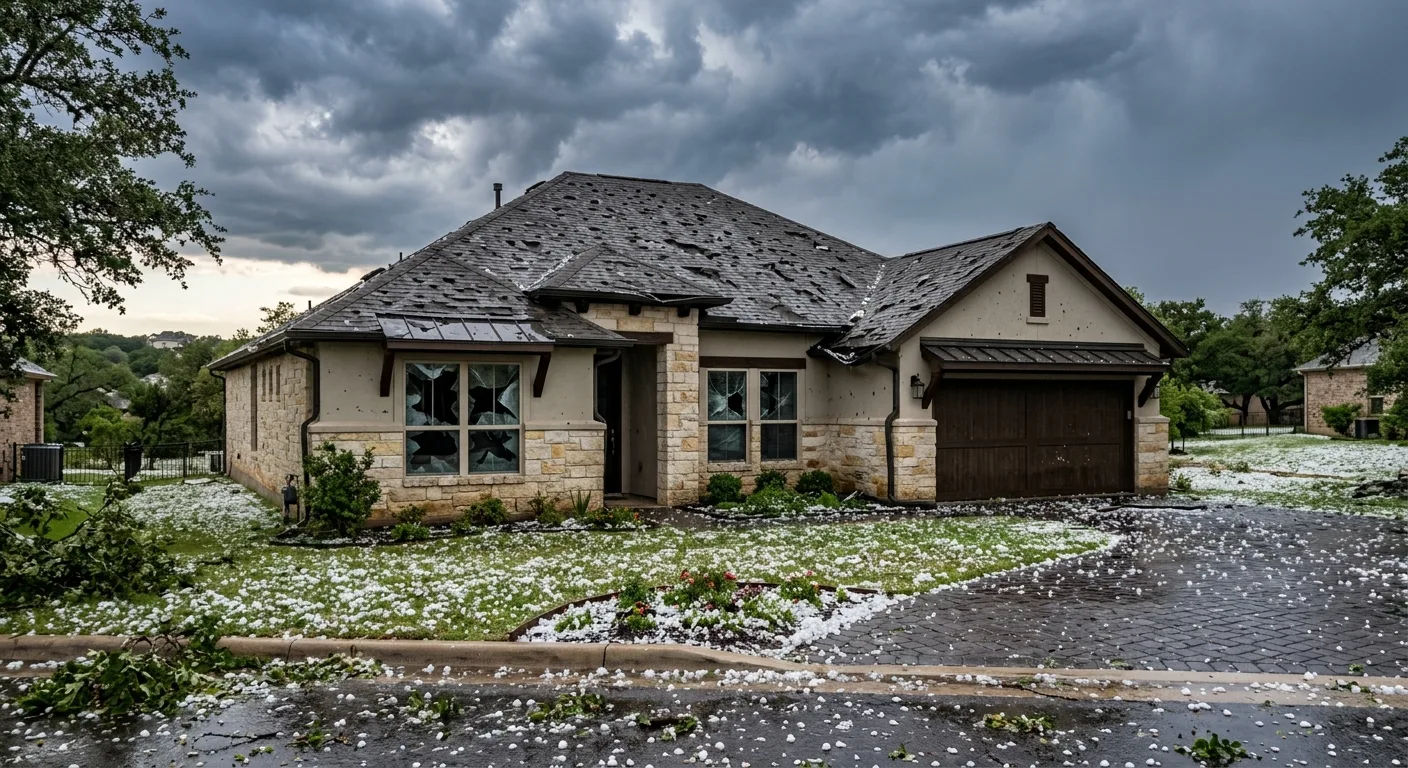
Hail And Storm Damage Restoration
Hail-damaged roof? Get it inspected before you call your insurer. Over and Above Contracting restores storm-damaged roofs right. Call Mike…
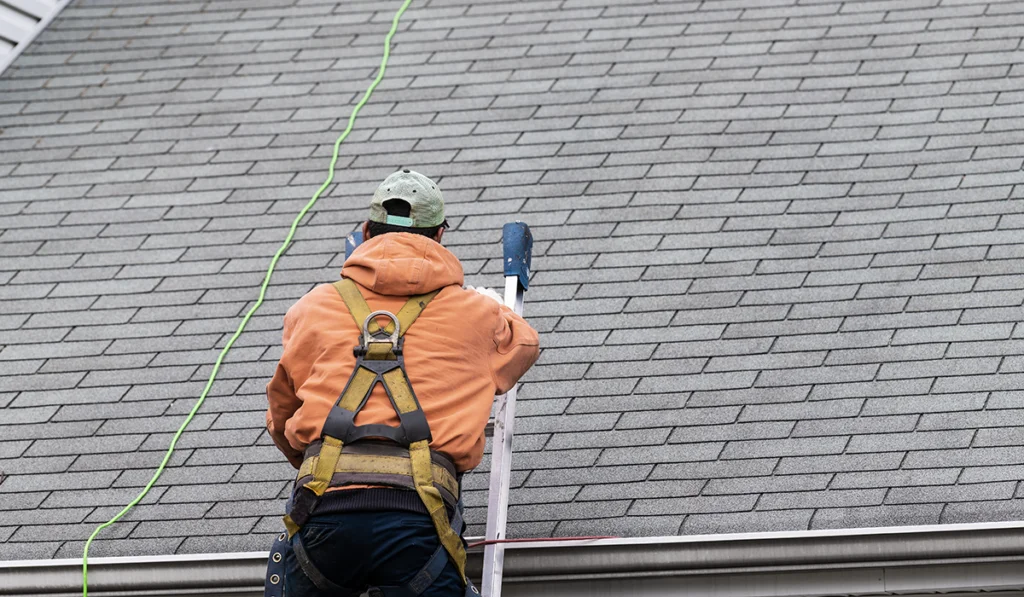
Reliable Repairs Emergency Roofing Services
Roof leaking after a storm? Here's what to do first. Over and Above Contracting responds fast, patches the damage, and protects your home.…

Residential Roofing Installation
New roof installation done right from decking to ridge cap. Get a free estimate from Mike Ennis at Over and Above Contracting. Call (737)…
From the Blog
How Hail Damage Can Affect Your Home Insurance Claim
Learn how hail damage is assessed, what insurance adjusters look for, and how a Round Rock roofing contractor can help you file a stronger…
How To Choose The Right Residential General Contractor
A step-by-step homeowner's guide to hiring a reliable residential general contractor — from defining your project needs to signing the final…
How To Spot Hail Damage On Your Roof After A Round Rock Storm
Round Rock hailstorms can hide serious roof damage. Learn what to look for on asphalt shingles, gutters, and ceilings — and when to call a…