Checking hours… Round rock (737) 230-7099
Over and Above Contracting
Soffit and Fascia Repair in Round Rock, TX
Family-owned · Round rock Local

Soffit and Fascia Repair in Round Rock, TX

The trim at your roof edge is not decoration. It carries your gutters, seals the attic against wind-driven rain, and lets the roof breathe. When it rots or peels, the fix is straightforward, and Mike Ennis does it himself.

Call directly(737) 230-7099
FreeEst.
Free Estimate

Tell us what you need.

Takes about a minute. We'll follow up within one business day. No pressure, no upsells.

No obligation · Responds within 1 business day

Round rock · Trusted Locally

Why Choose Over and Above Contracting for Soffit and Fascia Repair in Round Rock, TX

Over and Above Contracting repairs soffit and fascia across Round Rock and Williamson County, and it is the fix you need when the trim boards at the edge of your roof start to rot, peel, sag, or pull away from the house. Put it off and a small failed board turns into a rebuilt roof edge. Mike Ennis does the work himself instead of handing it to a subcontractor. He finds where the water is actually getting in, replaces only what has failed, and corrects the reason it rotted in the first place so it does not come back. If your fascia is soft to the touch or your soffit panels are stained and dropping, call (737) 230-7099 and talk to Mike directly.

Here is what most homeowners get wrong about this repair: they treat soffit and fascia as cosmetic trim, so they let it slide. It is not cosmetic. The fascia is the board your gutters are nailed to and the last line of defense where the roof deck meets open air. The soffit is the underside panel that vents your attic and keeps birds, wasps, and wind-driven rain out of it. When either fails, water and heat get into the roof structure itself, and that is a far more expensive problem than the trim ever was.

In Central Texas the failure pattern is specific, and after repairing roof edges across Round Rock for years, Mike has learned it is rarely just rain doing the damage. Attic temperatures here routinely top 130 degrees in summer, which bakes the paint off south- and west-facing fascia and opens the wood grain to moisture. Then the wind-driven hail that hammers this stretch of the I-35 corridor cracks the fascia right at the gutter line, where the fasteners already stress the board. Rain finds those cracks, the wood wicks it in, and the rot starts behind the paint where you cannot see it until the board is already soft.

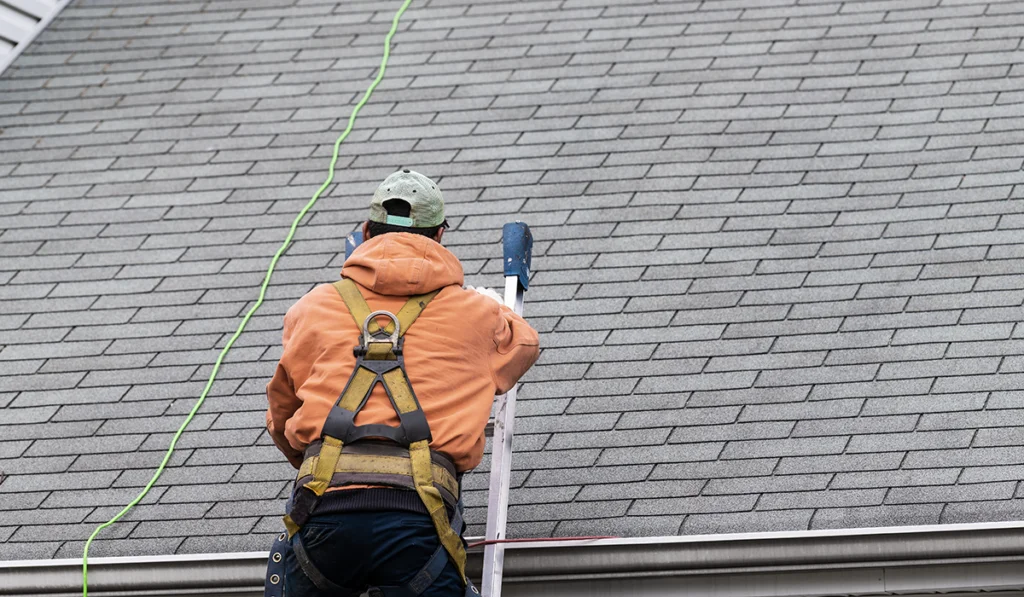
soffit and fascia repair work being performed at the roof edge of a residential home in Round Rock, Texas

Signs of Soffit and Fascia Damage You Can Spot From the Ground

Most soffit and fascia damage is visible from your own driveway once you know what you are looking at. You do not need to get on a ladder to catch it early. Here is what tells you the trim at your roof edge is failing:

- Peeling or bubbling paint on the fascia, especially on the south and west sides where Central Texas sun hits hardest. Paint failure is the first stage, and bare wood behind it wicks water fast. - Soft or spongy fascia when you press on it. Solid fascia is firm. If it gives, the wood behind the paint is already rotting. - Sagging or separated gutters. Gutters are nailed to the fascia. When the board rots, it can no longer hold the fasteners, and the gutter starts to pull away or sag between hangers. - Stained, dropping, or holed soffit panels. Water stains on the underside panels mean moisture is getting into the eave. Holes mean birds, wasps, squirrels, or rot have already been at work. - Visible daylight or pest activity in the attic near the eaves, which points to a soffit gap that is also letting hot, humid air move where it should not.

Caught one of these signs? Call (737) 230-7099 and Mike will take a look before it spreads down the run.

Fascia and Soffit Repair: What Mike Actually Does on the Job

Fascia and Soffit Repair: What Mike Actually Does on the Job

A fascia and soffit repair is not complicated work, but it is easy to do badly, and doing it badly means it rots again in a couple of years. Here is the sequence Mike follows on a typical Round Rock home. First, he finds the source. Rotted fascia is a symptom, not the disease. If a gutter is dumping water behind the board, a drip edge is missing, or the roof edge is not shedding water the way it should, replacing the board without fixing that just resets the clock. Mike traces the water back before he cuts anything. Next, he removes only what has failed. There is no reason to tear off a full run of good fascia to replace one rotted section. He cuts back to sound wood, checks the rafter tails and roof decking behind it for rot that spread inward, and replaces the compromised material with new board sized and primed to match. Soffit panels get the same treatment: damaged panels come out, the eave gets inspected for hidden moisture and pests, and new panels go in with the vent openings kept clear. Finally, he corrects the cause and seals the work. Drip edge and flashing get set so water sheds away from the fascia instead of behind it, the new wood is primed and painted on all sides before it goes up, and the ventilation path stays open so the attic can breathe. That last part is what keeps the repair from becoming a repeat visit.
gutter and roof edge detail showing the fascia board the gutter system is anchored to

Why Soffit and Fascia Are the Ventilation System, Not Just Trim

The single most common mistake homeowners make is treating this as cosmetic. Your soffit and fascia are part of how the roof breathes, and getting the ventilation wrong is what quietly destroys roofs in Central Texas heat. Here is why it matters:

Soffit Vents Feed Cool Air In

Perforated or vented soffit panels are the intake for your attic. They pull cooler air in at the eaves so it can rise and exhaust through the ridge. Block or damage them and the attic turns into a heat trap that cooks your shingles and your underlayment from below.

Fascia Anchors the Whole Gutter System

Your gutters hang off the fascia board. When the fascia rots, the gutters lose their anchor, sag, and start dumping water in the wrong places, which rots the fascia faster. It is a loop, and the only way out is a solid board and a properly hung gutter line.

Together They Seal the Roof Edge

The soffit and fascia close off the gap where the roof deck meets open air. That seal keeps wind-driven rain, pests, and hot humid air out of the eave and attic. A single rotted-out section is an open door for all three.

Bad Ventilation Ages Your Roof Early

In Round Rock, summer attic temperatures routinely pass 130 degrees. Trapped heat from blocked soffit vents accelerates shingle and underlayment failure, which is why a ventilation problem at the eave often shows up later as a roof problem overhead. Fixing the soffit protects the whole roof.
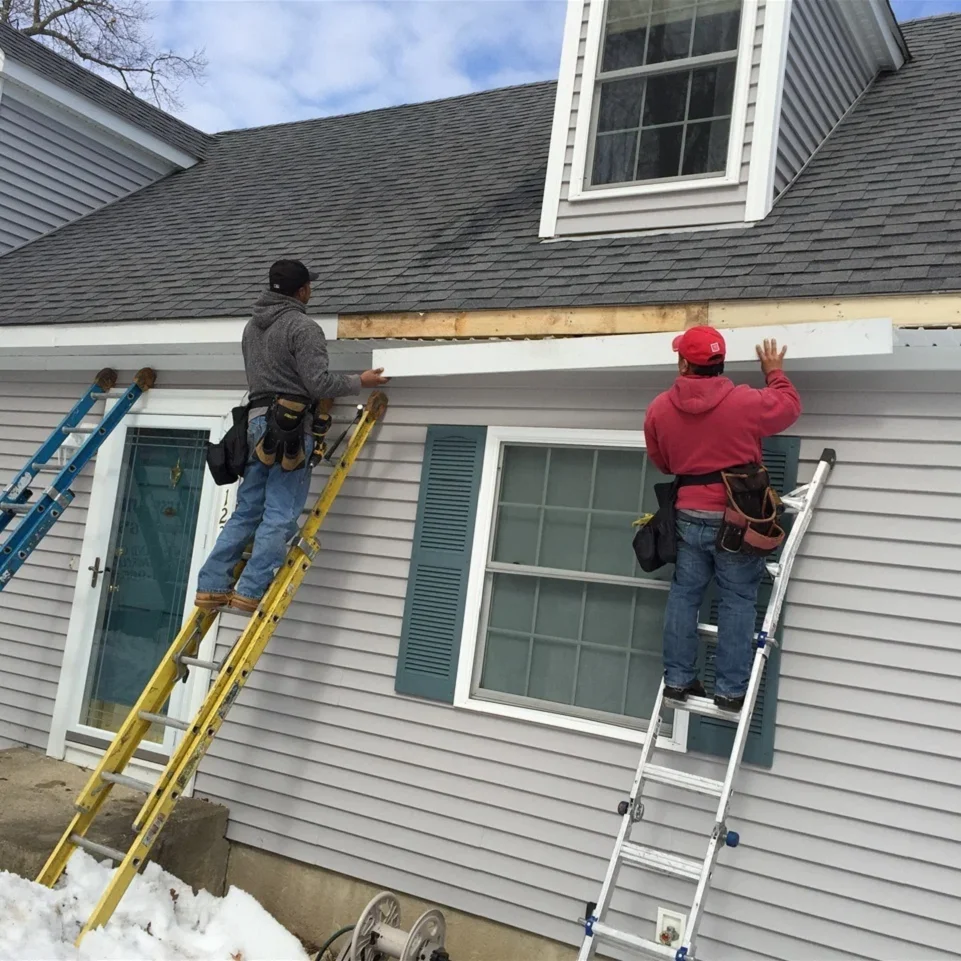
soffit and fascia repair work being performed at the roof edge of a residential home in Round Rock, Texas

Storm-Damaged Soffit and Fascia: Repair It With the Rest of the Exterior

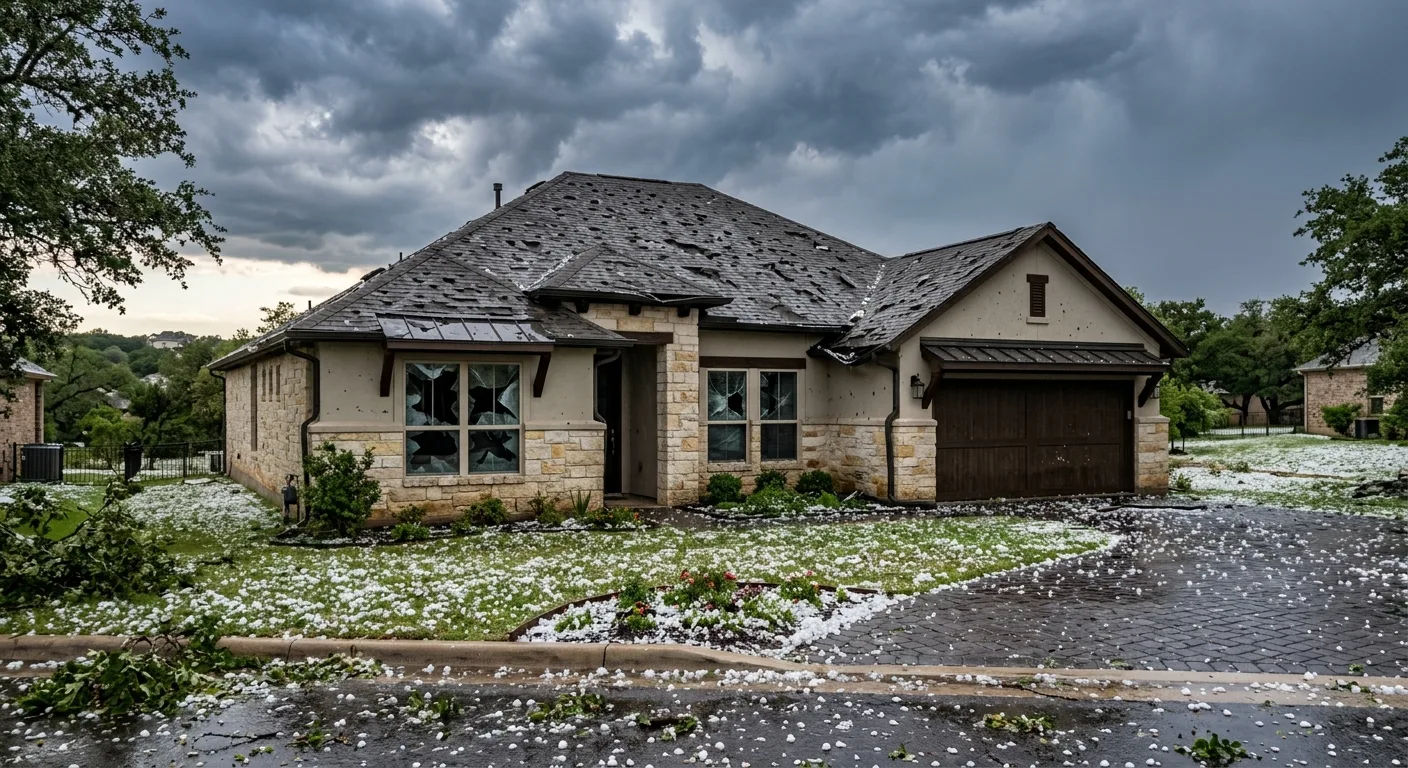
The same hail and wind events that damage roofs in Central Texas crack fascia and blow soffit panels loose, and that damage is easy to miss because everyone is looking up at the shingles instead of at the eave. Wind-driven hail hits the fascia hardest right at the gutter line, where the board is already stressed by the fasteners, and it punches or dents aluminum and vinyl soffit panels along the same runs.

If a storm came through, the smart move is to have the soffit and fascia assessed as part of the whole exterior rather than as a separate afterthought. When it is storm-related, that damage often belongs in the same insurance claim as the roof, and documenting it together strengthens the claim. Over and Above handles storm-damaged soffit and fascia repair alongside the roof so nothing gets left off the scope.

"After a hail event, homeowners fixate on the shingles. The cracked fascia and dented soffit at the eave get overlooked, and that is exactly the damage that lets water into the roof structure over the next year."

Because soffit and fascia sit at the intersection of the roof, the gutters, and the exterior wall, it makes sense to repair them alongside your roof work rather than as a standalone trip. That is the natural advantage of hiring one contractor for the whole exterior. Learn how Over and Above sequences multi-trade projects on the exterior general contracting page.

exterior wall with soffit, fascia, and roofline detail on a Central Texas home

When You Do NOT Need Soffit and Fascia Repair

Most contractors will not tell you this, because trim repair is easy money and an easy upsell. Here it is anyway: not every stained or weathered eave needs a repair, and Mike would rather save you the money than sell you work you do not need.

Hold off on scheduling soffit and fascia repair if all of these are true:

- The fascia is firm when you press on it and holds paint, even if the color has faded. Faded paint on solid wood is a repaint, not a repair. - The soffit panels are intact with no holes, sagging, or active water staining, and you see no pests getting into the eave. - Your gutters are still firmly attached and draining correctly, with no sag between hangers.

If that describes your home, your roof edge is doing its job and a coat of exterior paint on the fascia is likely all it needs. What you should not do is let a door-knocking crew after a storm talk you into replacing a full run of sound fascia. If the honest answer is that your trim is fine, that is what Mike will tell you. If it genuinely needs work, you will get a straight scope and a number you can plan around, with no pressure at the end of it.

gutter and roof edge detail showing the fascia board the gutter system is anchored to

Why a Local Round Rock Contractor Should Do Your Soffit and Fascia Work

A soffit repair contractor who works across six states does not carry the local knowledge that actually decides whether this repair lasts. Here is what Mike brings to your roof edge that a traveling crew cannot:

He Knows the Local Failure Pattern

Central Texas heat bakes the paint off west-facing fascia and wind-driven hail cracks it at the gutter line. Mike inspects the runs that fail first here because he has seen exactly where Round Rock roof edges rot, not where a national checklist says to look.

He Fixes the Cause, Not Just the Board

Replacing rotted fascia without correcting the drip edge, the gutter pitch, or the ventilation just resets the clock. Mike traces the water back to its source so the repair holds instead of rotting out again in two summers.

He Protects the Attic Ventilation

Getting the soffit vent path wrong traps heat that cooks your roof from below. Mike keeps the intake ventilation open so the eave repair actually helps the whole roof breathe in this climate.

One Owner, Not a Subcontractor

The person who assesses your soffit and fascia is the person who does the work and the person accountable for it. No handoff to a crew you never met and cannot reach when a question comes up.

He Repairs Only What Failed

There is no reason to tear off a full run of sound fascia to replace one rotted section. Mike cuts back to good wood and replaces what has actually failed, which keeps the job honest and the cost reasonable.

He Will Still Be Here Next Year

The number on this site is Mike's direct line, and it will still work six months from now. He was here before the storm and he will be here after. That is how owner-operated contracting works.

Get Your Soffit and Fascia Repaired in Round Rock

Whether your fascia is peeling and soft or a storm just cracked it at the gutter line, Mike will find the source, repair only what failed, and fix the reason it rotted so it does not come back. No sales pitch, no subcontractors, no pressure. Call (737) 230-7099 or send the details through the contact page and Over and Above Contracting will schedule your assessment.

exterior wall with soffit, fascia, and roofline detail on a Central Texas home
FAQ Common questions

Frequently Asked Questions

Answers below
How much does soffit and fascia repair cost? +
It depends on how much of the run has failed, whether the damage is limited to the trim or spread into the rafter tails and decking behind it, and how accessible the eave is. Replacing a single rotted fascia section is a modest repair, often in the low hundreds of dollars, while a full run of fascia plus damaged soffit panels and gutter re-hanging runs higher. The board itself is rarely the expensive part. What drives cost up is rot that spread into the roof structure before the repair, which is exactly why catching it early matters. Every job is different. Call (737) 230-7099 for an accurate estimate on your specific eave.
What is the difference between soffit and fascia? +
The fascia is the vertical board that runs along the edge of the roof, capping the ends of the rafters, and it is what your gutters are attached to. The soffit is the horizontal panel underneath the overhang, tucked between the fascia and the exterior wall, and it forms the ceiling of the eave. Together they close off the gap where the roof deck meets open air. The fascia handles the vertical face and the gutter anchor, and the soffit handles the underside and the attic intake ventilation. They almost always get repaired together because when one fails, water usually reaches the other.
Can you repair just the rotted section of fascia, or does the whole board have to be replaced? +
In most cases you only replace the section that has actually failed. There is no reason to tear off a full run of sound fascia to fix one rotted spot. Mike cuts back to solid wood, checks the rafter tails and decking behind the rot to make sure it did not spread inward, and replaces the compromised material with new board sized and primed to match. The only time a longer run comes off is when the rot traveled further than the surface showed, which happens when a board sits soft for a season or two. Catching it early keeps the repair small.
Why does fascia rot faster in Central Texas? +
The failure here is driven by heat as much as water. Summer attic temperatures in the Round Rock area routinely top 130 degrees, which bakes the paint off south- and west-facing fascia and opens the wood grain to moisture. Then wind-driven hail along the I-35 corridor cracks the fascia at the gutter line, where the fasteners already stress the board, and rain wicks into those cracks behind the paint. The rot starts where you cannot see it. This is why a west-facing fascia here can go soft in two or three summers once the paint fails, well ahead of what rain alone would do.
Does damaged soffit affect my roof or attic? +
Yes, more than most homeowners expect. The soffit panels are the intake vents for your attic. They pull cooler air in at the eaves so it can rise and exhaust through the ridge. When soffit is damaged, blocked, or missing, that ventilation path breaks down, and trapped heat in a Central Texas attic accelerates shingle and underlayment failure from below. Damaged soffit also opens the eave to wind-driven rain and pests like birds and wasps. So a soffit problem is rarely just a soffit problem. Left alone, it shows up later as a more expensive roof problem overhead.
Can soffit and fascia damage be covered by a storm insurance claim? +
Often yes, when the damage is storm-related. The same hail and wind events that damage roofs crack fascia and blow soffit panels loose, and that damage frequently belongs in the same claim as the roof. Wind-driven hail tends to hit the fascia hardest at the gutter line and dent aluminum or vinyl soffit panels along the same runs. The key is documenting it together with the roof damage rather than treating it as a separate afterthought, since a complete, well-documented scope strengthens the claim. Over and Above assesses the soffit and fascia alongside the roof and helps document storm damage for your adjuster.
Should soffit and fascia repair be done at the same time as roof or gutter work? +
It usually makes sense to. Soffit and fascia sit right at the intersection of the roof, the gutters, and the exterior wall, so the work overlaps naturally with roof repairs, gutter re-hanging, and drip edge correction. Doing it together means the drip edge and flashing get set correctly to protect the new fascia, the gutters get re-hung on solid board, and you avoid a second trip and a second setup. That is the practical advantage of hiring one contractor for the whole exterior rather than separate single-trade crews who each show up, do their piece, and leave the transitions to someone else.

Related