

Checking hours… Round rock (737) 230-7099
Over and Above Contracting
Roof Hail Damage: What Homeowners Need to Know
Family-owned · Round rock Local

Roof Hail Damage: What Homeowners Need to Know

Call directly(737) 230-7099
FreeEst.
Free Estimate

Tell us what you need.

Takes about a minute. We'll follow up within one business day. No pressure, no upsells.

No obligation · Responds within 1 business day

Round rock · Trusted Locally

Why Choose Over and Above Contracting for Roof Hail Damage: What Homeowners Need to Know

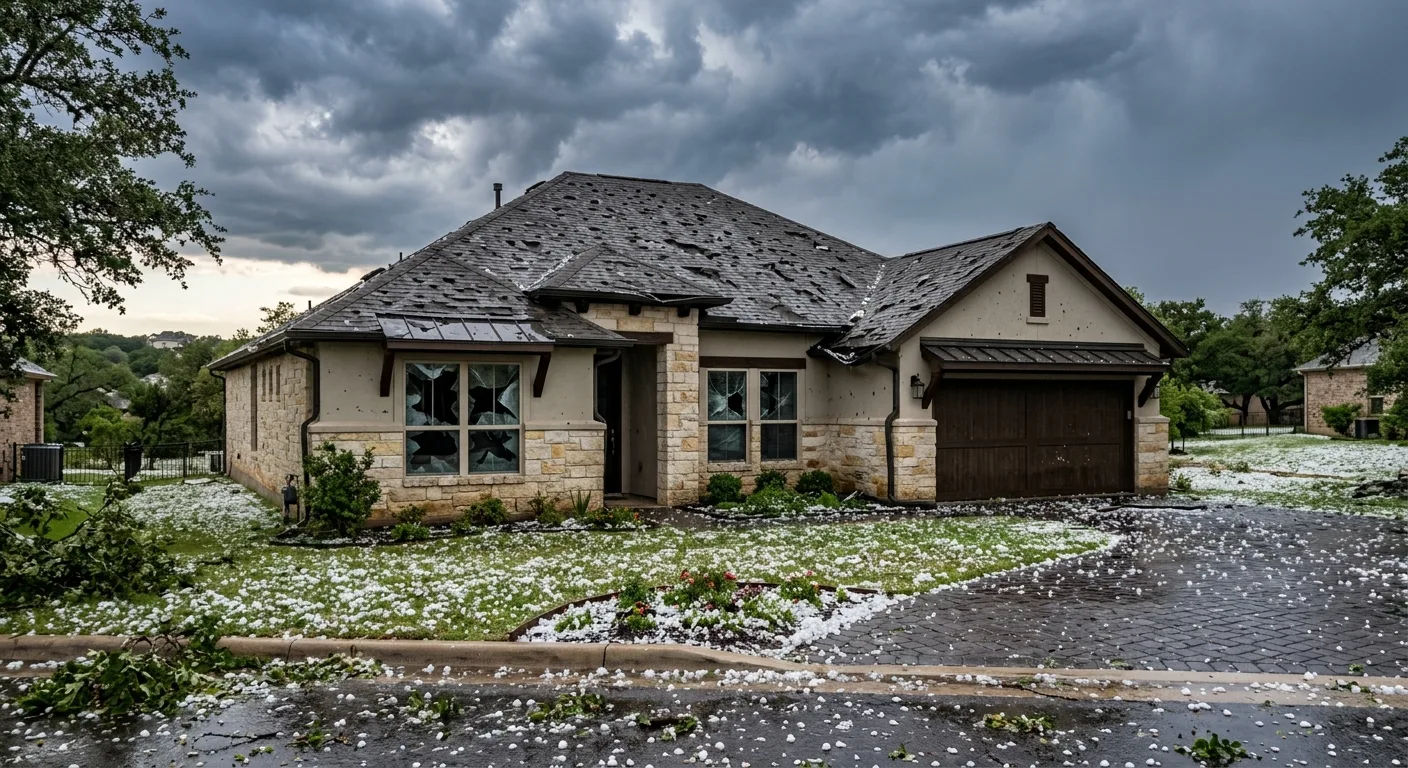
Hailstorms can strike fast and leave damage that isn't obvious until the leaks start. Even small hailstones can knock granules loose, crack shingles, or bruise the shingle mat in ways that won't show up until water finds its way through. For homeowners in Central Texas, this is a real seasonal concern — Williamson County gets hit hard every spring, and the consequences of doing nothing compound quickly.

This guide covers how hail damages different roofing materials, what warning signs to look for after a storm, when to file an insurance claim, and how to decide between repair and full replacement. If your roof took a hit recently, the summer storm season guide for Round Rock homeowners is also worth a read before you call your adjuster.

AI-generated roofer image for roof-hail-damage-how-it-affects-your-roof-and-what-homeowners-should-do

What Is Roof Hail Damage?

Roof hail damage happens when hailstones strike roofing materials with enough force to crack, dent, loosen, or dislodge them. The severity depends on hail size, wind speed, storm duration, and the age and condition of the roof. Some damage is obvious — broken tiles, dented vents, shingles peeled back. Other damage is subtle and worsens over time. Even minor impacts can compromise the protective layers of a roof, opening pathways for moisture to reach the decking and framing below.

AI-generated roofer image for roof-hail-damage-how-it-affects-your-roof-and-what-homeowners-should-do

How Hail Damages Asphalt, Metal, and Tile Roofs

Different roofing materials respond differently to hail impact. A professional roofing contractor can identify the specific type and extent of damage for each material — something a homeowner walking the perimeter usually cannot.

Asphalt Shingles

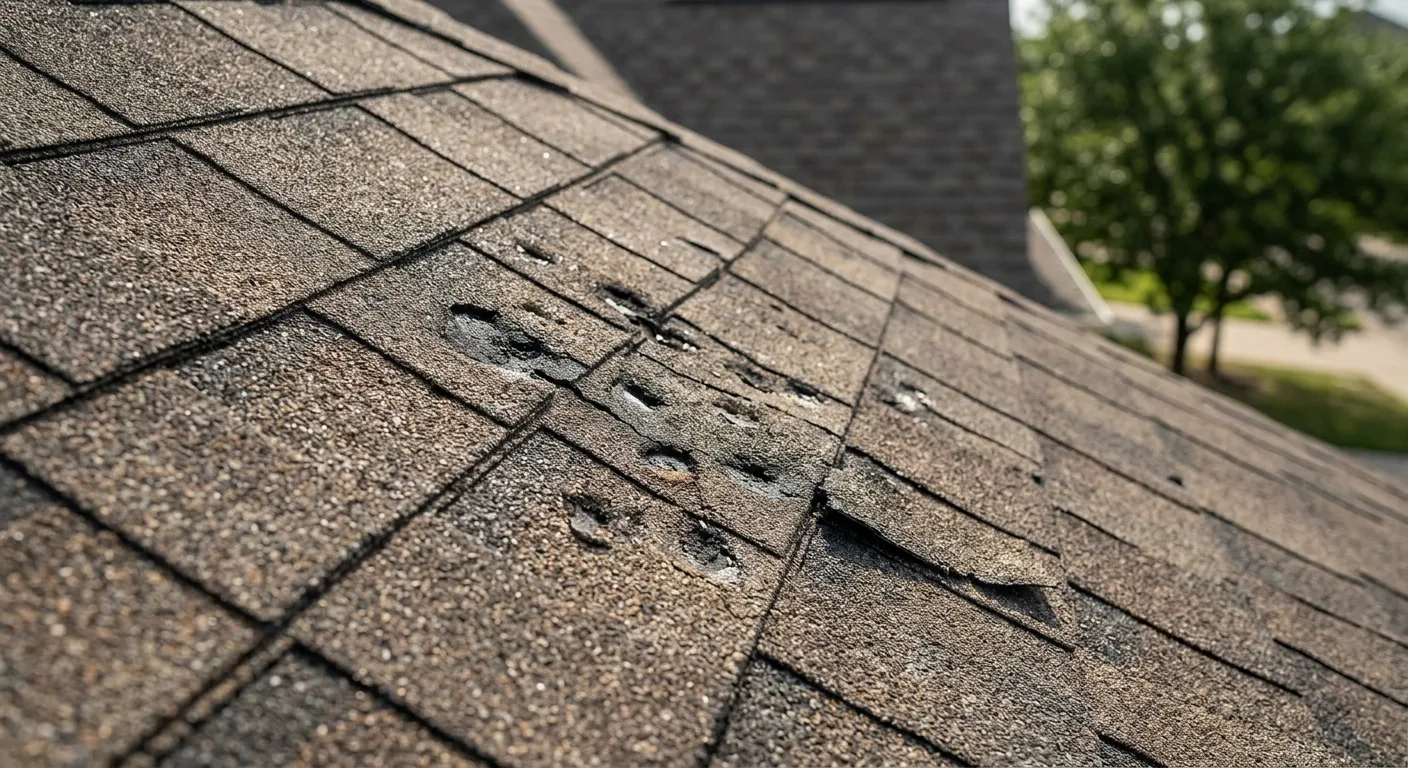
Asphalt shingles are the most common roofing material in Central Texas and among the most vulnerable to hail. Impact can knock off protective granules, crack shingles along impact points, or create hidden bruises that weaken the shingle mat underneath. These bruises don't always show up on the surface, but they compromise the shingle's ability to shed water.
Metal Roofing

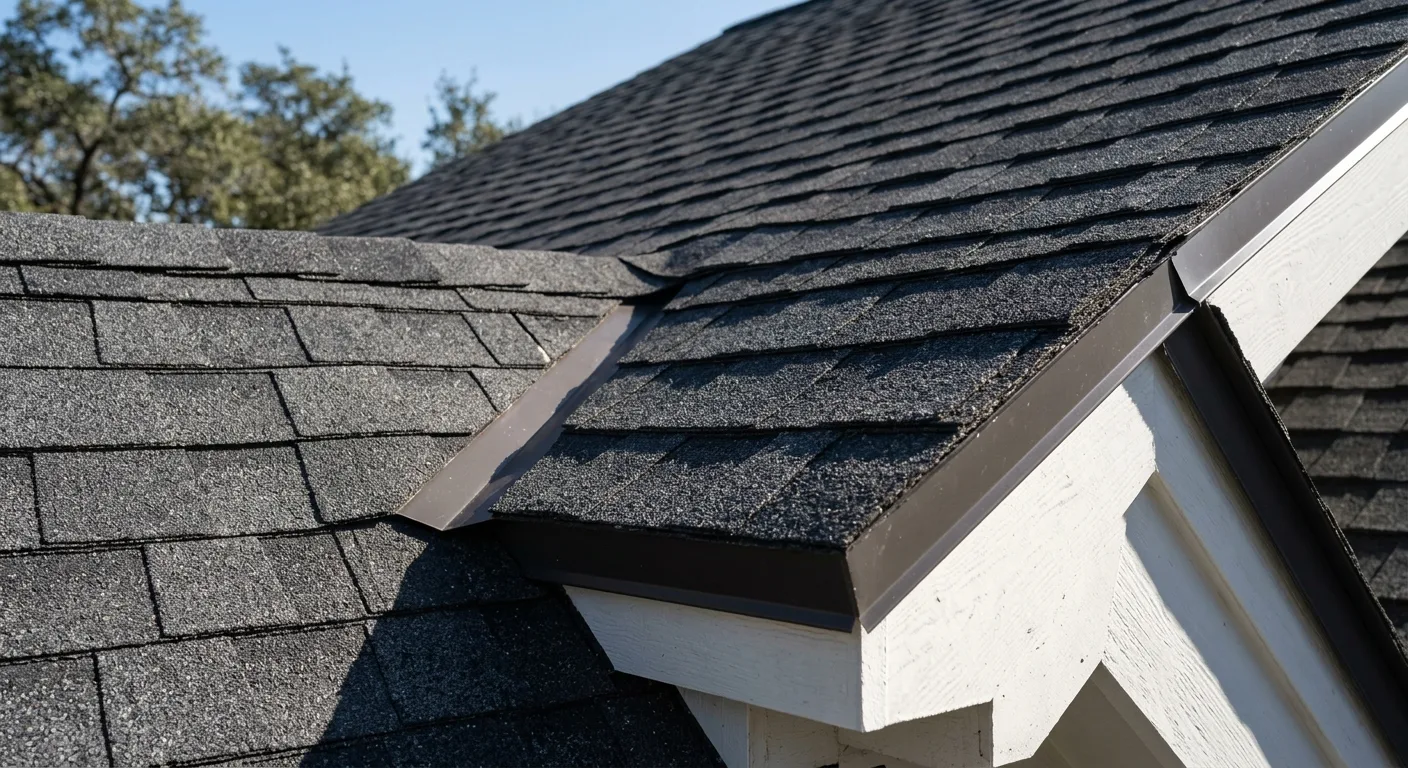
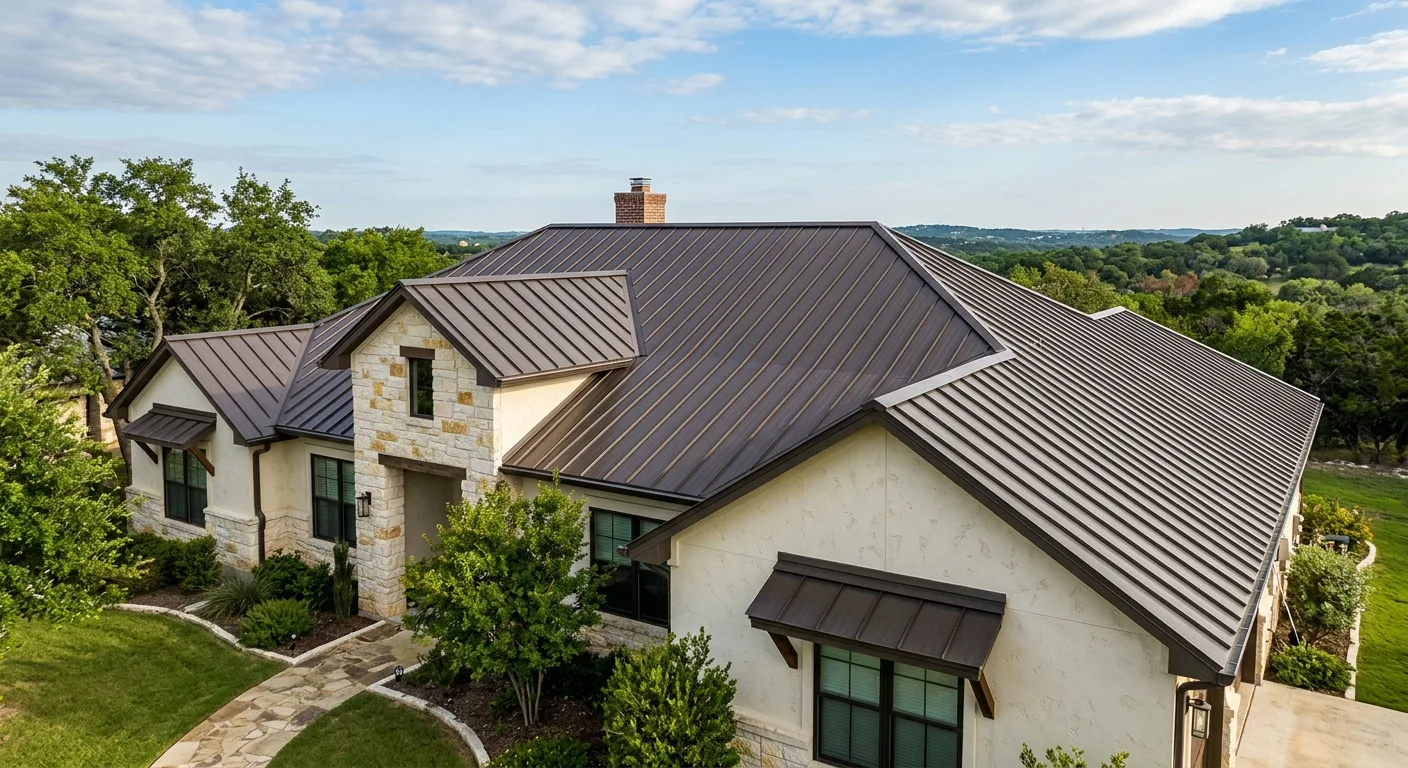
Metal roofs may dent when struck by large hailstones. Cosmetic dents don't always affect performance, but severe impacts can loosen fasteners or damage seams — both of which create leak pathways. A thorough inspection checks fastener integrity and seam conditions, not just surface appearance.

Tile Roofing

Clay and concrete tile can shatter or crack on impact. Broken tiles expose underlayment directly to weather, and the cracks are not always visible from the ground. Even a single broken tile in a field of intact ones can allow significant water intrusion during heavy rain.

Wood Shakes

Wood shakes are prone to splitting along the grain when struck by hail. The splits create direct channels for water into the roof assembly. Because wood weathers naturally, fresh splits from hail damage can be difficult to distinguish from age-related weathering without a trained eye.
AI-generated roofer image for roof-hail-damage-how-it-affects-your-roof-and-what-homeowners-should-do

Common Signs Your Roof Has Hail Damage

Some signs of hail damage are visible from the ground — missing or cracked shingles, dented flashing, damaged vent caps, and exposed underlayment. Granules collecting in gutters or downspouts after a storm are one of the clearest indicators that asphalt shingles took a hit. Interior signs are just as telling: water stains on ceilings, damp insulation, unexpected leaks, or mold growth in attic spaces. Damage to siding, windows, and gutters is also a reliable indicator that the roof likely absorbed impact as well. Each material type requires professional evaluation — what looks minor from below can be significant on closer inspection.

AI-generated roofer image for roof-hail-damage-how-it-affects-your-roof-and-what-homeowners-should-do

Risks of Ignoring Roof Hail Damage

Damaged shingles lose their ability to shed water properly. Once that protective layer is compromised, moisture works its way into the roof decking, insulation, and eventually the interior structure of the home. Over time, that means rot, mold, and repair costs that dwarf what the original storm damage would have cost to fix. Hail damage also reduces the remaining service life of a roof and can void manufacturer warranties if repairs are not made within a certain timeframe. What starts as surface-level granule loss can become a structural issue if left alone through another Texas storm season.

AI-generated roofer image for roof-hail-damage-how-it-affects-your-roof-and-what-homeowners-should-do

Why a Professional Roof Inspection Matters After a Hailstorm

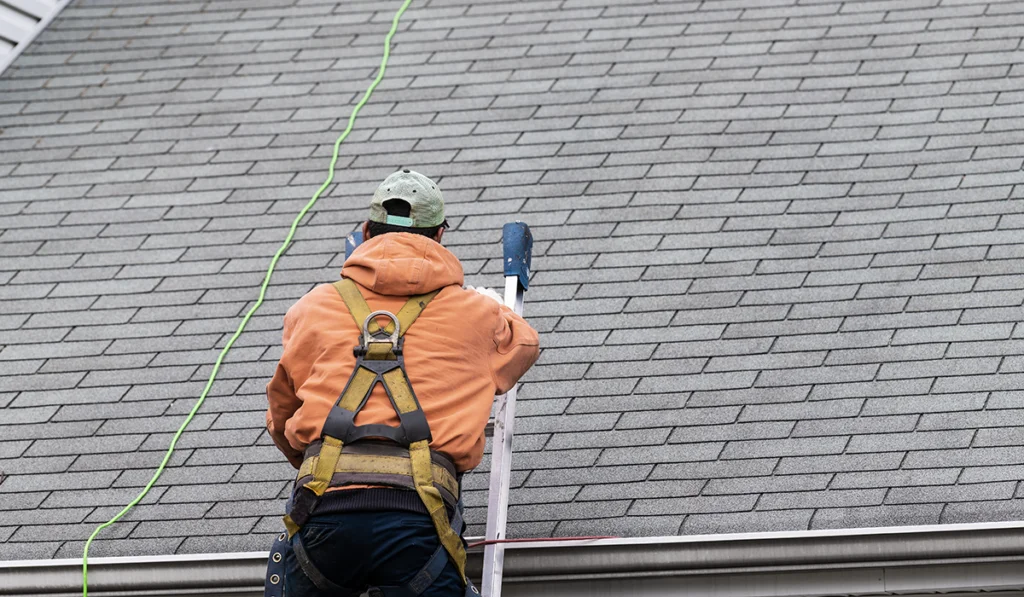
A professional inspection is essential after a hailstorm, even when no obvious damage is visible from the ground. Trained contractors know where to look and what to look for — bruised shingle mats, compromised flashing, loosened fasteners, and damage to roof penetrations like vents and skylights. During an inspection, the contractor checks shingles, flashing, gutters, vents, and decking, then documents findings with photos and a written report. That documentation is not just useful — it's often required for a successful insurance claim. Early inspection means timely repairs, which prevents further deterioration before the next storm arrives. Our team handles roof repair services in Round Rock and the surrounding area and can get eyes on your roof quickly after a weather event.

AI-generated roofer image for roof-hail-damage-how-it-affects-your-roof-and-what-homeowners-should-do

Filing a Roof Hail Damage Insurance Claim

Most homeowners insurance policies cover hail damage, but filing a successful claim depends on documentation and timing. After a storm, photograph any visible damage — broken tiles, dented metal, exposed underlayment, granules in gutters. Record the date of the storm and schedule a professional inspection before the damage has time to worsen or get mixed in with pre-existing wear. Insurance adjusters assess damage based on policy terms and the evidence presented. An experienced roofing contractor who understands the claims process can help make sure the inspection report reflects the full scope of what the storm caused. Delaying the claim is one of the most common mistakes homeowners make — insurers can and do deny claims when action is not taken promptly. For more on navigating the line between storm restoration and repair, see our breakdown of storm restoration vs. roof repair.

AI-generated roofer image for roof-hail-damage-how-it-affects-your-roof-and-what-homeowners-should-do

Repair vs. Full Roof Replacement After Hail

Whether a roof needs repair or replacement depends on the extent and distribution of the damage. Minor hail damage — a handful of cracked shingles, a dented vent cap — may only require targeted repairs. Widespread granule loss, structural damage to decking, or hail impacts distributed across the entire field of shingles typically calls for full roof replacement. A professional assessment will tell you which category you're in. Trying to patch a roof that needs replacement is a short-term fix that costs more in the long run.

AI-generated roofer image for roof-hail-damage-how-it-affects-your-roof-and-what-homeowners-should-do

When Severe Hail Damage Requires Full Replacement

Older roofs are significantly more likely to require replacement after a major hailstorm because the materials are already weathered and less able to absorb impact without failing. When hail causes extensive damage across the entire roofing system — widespread shingle cracking, granule loss at scale, compromised underlayment — replacement is usually the safest and most cost-effective path. A new roof restores full protection, brings the home into compliance with current building codes, and resets the warranty clock. Modern residential roofing installation materials are also more impact-resistant than what was available even a decade ago.

AI-generated roofer image for roof-hail-damage-how-it-affects-your-roof-and-what-homeowners-should-do

Impact-Resistant Roofing Options Worth Considering

Homeowners in hail-prone areas have real options when it comes to reducing future damage. Class 4 impact-resistant shingles are specifically rated for hail performance and are among the most effective upgrades available for asphalt roofing. Metal roofing, synthetic shingles, and certain composite materials also offer improved durability over standard three-tab or architectural asphalt. These options typically carry higher upfront costs, but they often qualify for insurance discounts and reduce long-term maintenance expense. If you're replacing a hail-damaged roof, it's worth discussing material options with your contractor before committing to the same product you had before. Our guide on selecting roofing materials covers the tradeoffs in detail.

AI-generated roofer image for roof-hail-damage-how-it-affects-your-roof-and-what-homeowners-should-do

How to Reduce Future Roof Hail Damage

Hailstorms can't be prevented, but the damage they cause can be managed. Regular roof inspections — at least once a year and after any significant weather event — catch small problems before they become expensive ones. Proper maintenance, including clearing debris, checking flashing, and replacing worn shingles promptly, keeps the roof in the best possible condition to handle impact. Upgrading to impact-resistant materials at the time of replacement is the most durable long-term investment a homeowner in Central Texas can make. For a broader look at how the climate affects your roof over time, see our article on how Central Texas summer heat ages your roof faster.

AI-generated roofer image for roof-hail-damage-how-it-affects-your-roof-and-what-homeowners-should-do

How Long Hail Damage Takes to Show Up

Not all hail damage shows up immediately. Some impacts — particularly granule loss and hidden bruising in asphalt shingles — take weeks or months to manifest as visible problems. A shingle that looks intact after a storm may begin to crack, curl, or leak once it's been through a few more rain cycles. This is one of the main reasons prompt inspection matters: documenting the damage while it's clearly storm-related protects the homeowner when the insurance claim comes later. Waiting until a leak appears is waiting until the damage has already compounded. If you have questions about your roof's condition after recent weather, contact Over and Above Contracting — Mike can walk the roof and give you a straight answer about what you're dealing with.

Hail Hit Your Roof? Get Eyes on It Before the Next Storm.

Over and Above Contracting serves Round Rock and the surrounding Austin area. Mike inspects hail-damaged roofs, documents the findings, and gives you a clear recommendation — repair or replace. No pressure, no runaround.

AI-generated roofer image for roof-hail-damage-how-it-affects-your-roof-and-what-homeowners-should-do
FAQ Common questions

Frequently Asked Questions

Answers below
How does hail affect metal and tile roofs differently than asphalt? +
Metal usually dents rather than fails, so damage is often cosmetic unless panels or seams are compromised. Tile cracks or shatters outright under direct impact, and the cracks are easy to miss from the ground. Asphalt bruises invisibly, which is why it is the hardest of the three to assess without getting up there.
What are the risks of ignoring hail damage? +
A bruised roof weathers faster, so you lose remaining service life and eventually get leaks, decking rot, and interior damage. There is a claims risk too: a carrier can argue that damage you left unaddressed contributed to the later loss.
When does hail damage require full replacement rather than repair? +
When impacts are spread across multiple slopes at a density the carrier recognizes, when the shingle line has been discontinued so repairs cannot be matched, or when the roof was already near the end of its life. Isolated damage on one slope is normally a repair.
How can I reduce hail damage on the next storm? +
Impact-rated shingles, keeping trees trimmed back from the roofline, replacing brittle soft-metal vents, and staying current on maintenance so the roof enters storm season in good shape. None of it makes a roof hail-proof, but it changes how much a given storm costs you.

Related