
Storm Restoration vs. Roof Repair: What's the Difference?
Call directly(737) 230-7099Tell us what you need.
Takes about a minute. We'll follow up within one business day. No pressure, no upsells.
Why Choose Over and Above Contracting for Storm Restoration vs. Roof Repair: What's the Difference?
Every year, Central Texas homeowners deal with their share of severe weather — hail, high winds, and heavy rain that can leave a roof looking worse for wear. When the storm passes and you're standing in your yard squinting up at the damage, the first real question is: does this need a repair, or am I looking at a full restoration? The answer matters more than most people realize. Choosing the wrong approach doesn't just cost money — it can leave hidden damage in place that compounds over time. This article breaks down the difference so you know what you're dealing with before you make a call.
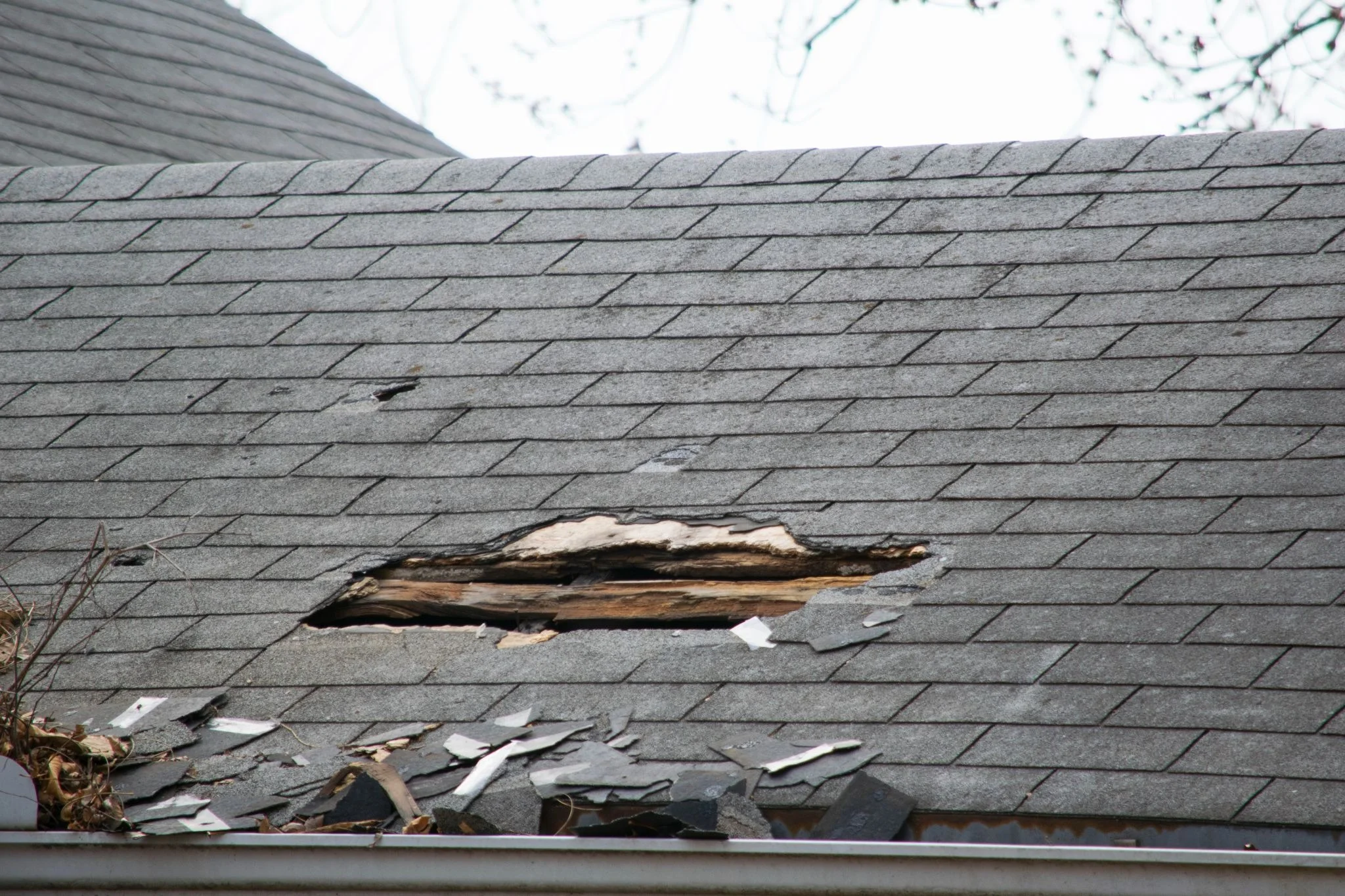
Roof damage with deteriorated shingles and exposed wooden decking in need of roof repair or replacement.
What Roof Repair Actually Involves
Roof repair addresses localized damage — problems contained to a specific area of the roof rather than the system as a whole. After a mild Round Rock thunderstorm, you might notice a small water stain on your ceiling or a handful of shingles that lifted in the wind. In most cases, a certified roofer can resolve that in a single visit without disrupting the rest of the roof.
Common repairs include replacing damaged or missing shingles, patching leaks around skylights or vents, and resealing flashing at edges or penetrations. Repair is cost-effective, fast, and appropriate when the underlying structure is sound and the damage is genuinely minor. The key word is "localized" — if the problem stays in one place and doesn't affect decking, framing, or multiple roof sections, repair is usually the right call.

Roof damage with missing shingles and exposed wood decking on an asphalt shingle roof.
What Storm Restoration Includes
Storm restoration is a different scope of work entirely. When a major weather event — large hail, straight-line winds, or prolonged heavy rain — hits a home, the damage rarely stays on the surface. Granule loss, cracked decking, compressed insulation, and moisture intrusion can all occur without being visible from the ground or even from the roof surface itself.
Full storm restoration typically includes complete roof replacement or re-roofing, structural repairs to decking or rafters, gutter and siding repair, window restoration, and addressing moisture intrusion before it becomes a mold problem. It's a coordinated process that often involves multiple trades working in sequence — and it almost always involves an insurance claim. A thorough inspection documents both visible and hidden damage so that nothing gets missed in the claim or the repair scope.
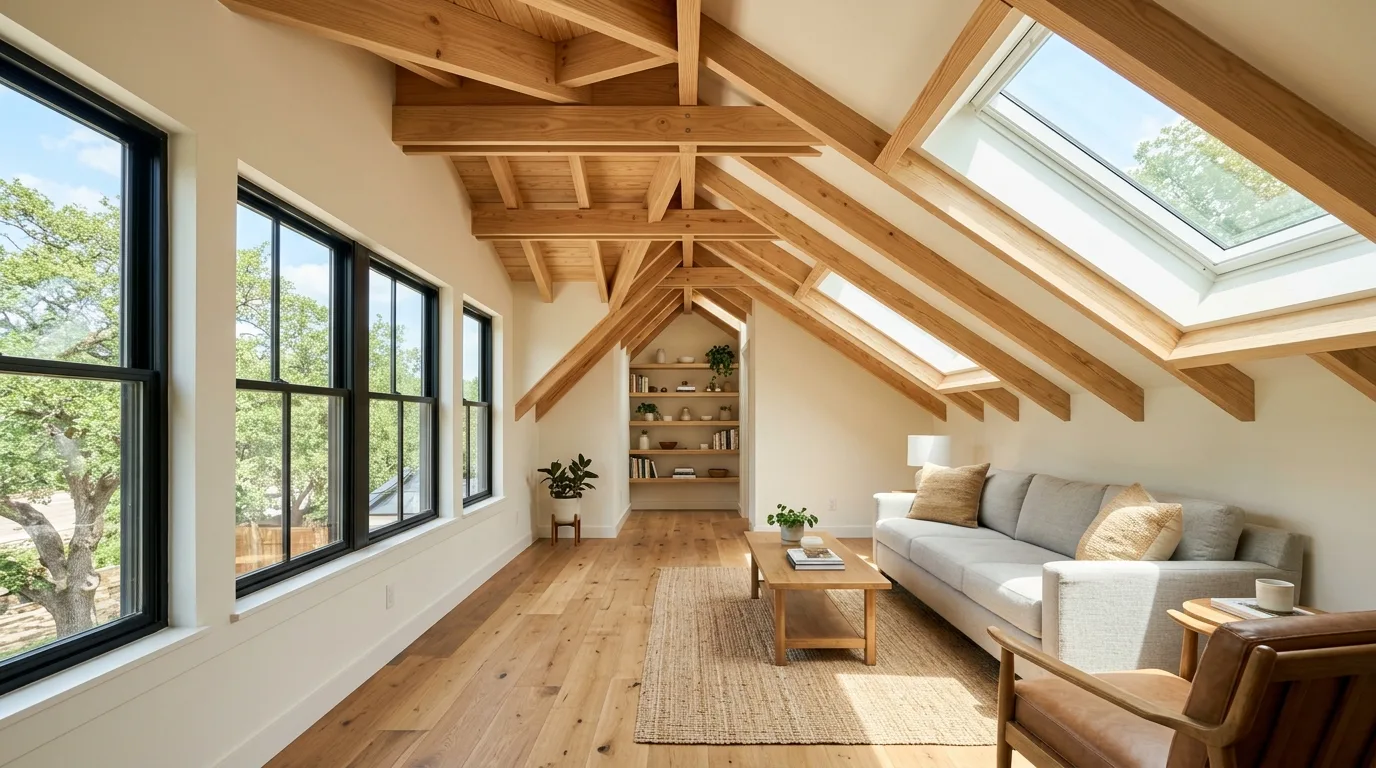
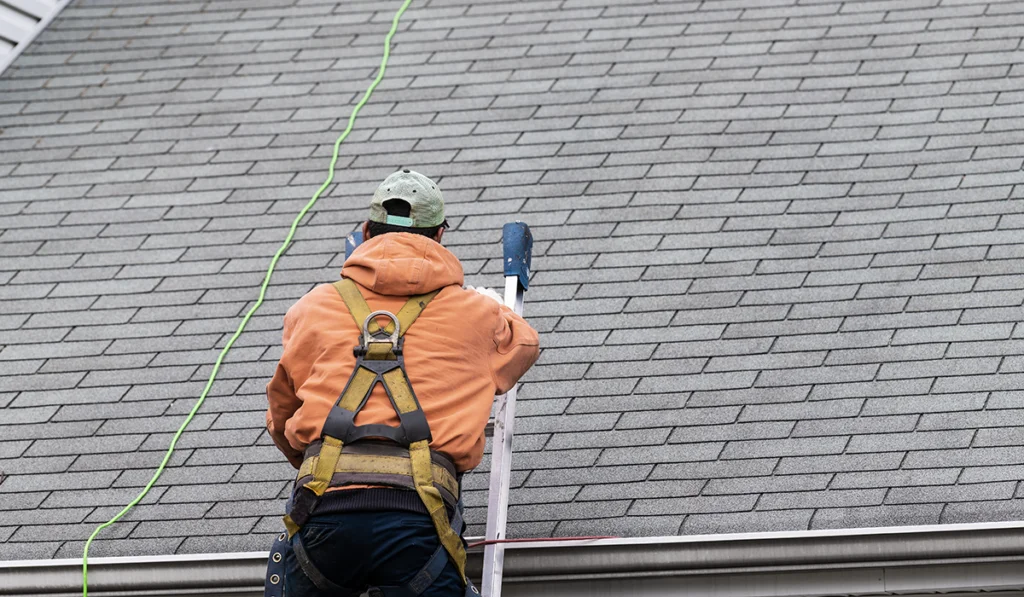
AI-generated roofer image for storm-restoration-vs-roof-repair-whats-the-difference
How to Choose Between the Two
The decision usually comes down to scale and structure. Minor, isolated damage — a few shingles, a small leak, a section of lifted flashing — generally calls for roof repair. Widespread damage affecting structure, safety, or multiple roof sections typically requires storm restoration.
If you have sections of your interior exposed to the elements, large areas of missing shingles, visible granule loss pooling in your gutters, or water intrusion in more than one location, storm restoration is almost certainly the right path. When in doubt, schedule a professional inspection after any significant weather event. A qualified roofer will assess both visible and hidden damage and give you a straight answer — not a one-size-fits-all recommendation.
Failure to choose correctly has real consequences. Patching over widespread damage delays the inevitable and can complicate your insurance claim down the road.
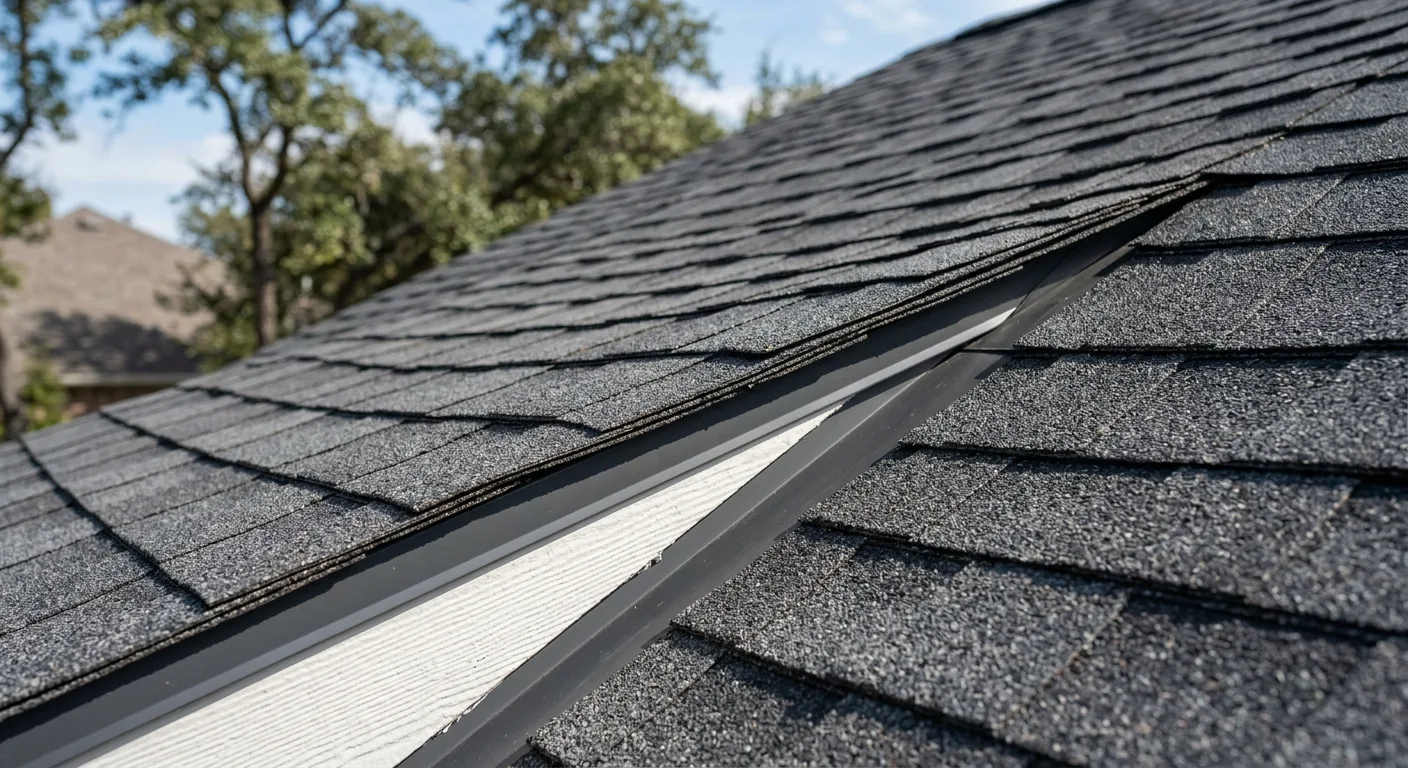
AI-generated roofer image for storm-restoration-vs-roof-repair-whats-the-difference
Why Local Storm Experience Matters
Roofing contractors with genuine storm restoration experience understand the local building codes, the weather patterns specific to Williamson County, and how insurance adjusters think. That's not a small thing. Central Texas homeowners — particularly those in areas that take a hit from hail every spring — benefit from hiring a team that handles both standard repairs and full storm restoration regularly, not one that shows up only after major events and disappears six weeks later.
Over and Above Contracting, LLC draws on hands-on storm response work across the Round Rock and Central Texas area. Whether the job calls for a targeted repair or a full residential roofing restoration, the assessment starts with an honest look at what the storm actually did — not what's easiest to sell.
Not Sure Which One You Need?
If a storm has come through and you're not certain what you're looking at, don't wait. Contact us to schedule an inspection. We'll assess the damage, walk you through what we find, and tell you clearly whether repair or restoration is the right move — and why. You can also browse our roof hail damage guide if you want to know what to look for before we arrive.
Frequently Asked Questions
What is the difference between roof repair and storm restoration? +
How do I know which one my house needs? +
Does storm restoration always involve insurance? +
Why does local storm experience matter for restoration work? +
Related
You Might Also Need
Hail And Storm Damage Restoration
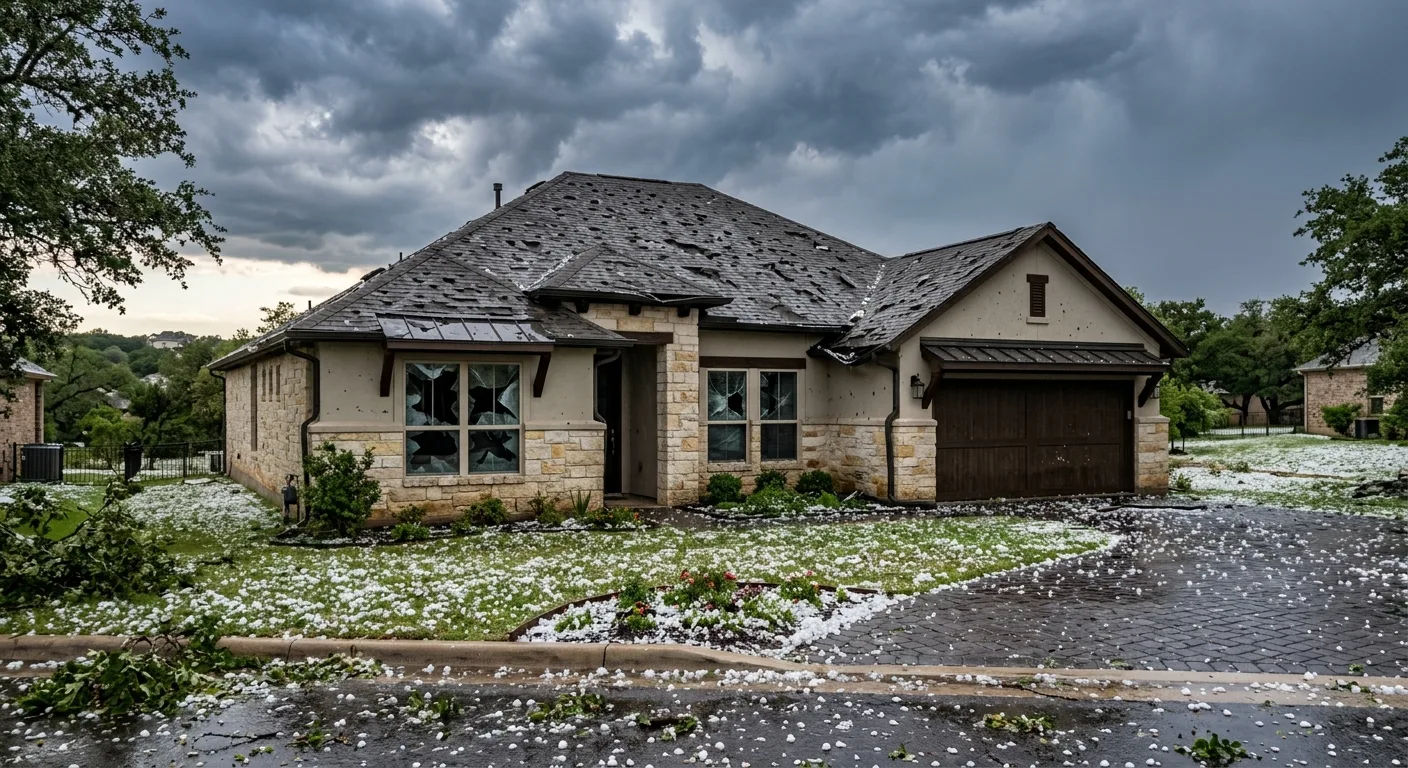
Hail-damaged roof? Get it inspected before you call your insurer. Over and Above Contracting restores storm-damaged roofs right. Call Mike…
Reliable Repairs Emergency Roofing Services
Roof leaking after a storm? Here's what to do first. Over and Above Contracting responds fast, patches the damage, and protects your home.…

Residential Roofing Installation
New roof installation done right from decking to ridge cap. Get a free estimate from Mike Ennis at Over and Above Contracting. Call (737)…
From the Blog
Summer Storm Season In Round Rock Is Your Roof Ready
Central Texas storm season can expose every weakness in your roof. Learn what to look for and how Over and Above Contracting can help before…
What Round Rock Homeowners Should Do After A Hailstorm Hits
Hail hit your Round Rock home? Here's exactly what to do first — from documenting damage to working with your insurance adjuster. A…
Why Immediate Storm Damage Roof Repairs Matter In Central Texas
Delaying storm damage repairs in Central Texas costs more than you think. Learn what happens when you wait — and why fast action protects…