
Family-owned · Round rock Local
What Round Rock Homeowners Should Do After a Hailstorm
Call directly(737) 230-7099FreeEst.
Free Estimate
Tell us what you need.
Takes about a minute. We'll follow up within one business day. No pressure, no upsells.
Round rock · Trusted Locally
Why Choose Over and Above Contracting for What Round Rock Homeowners Should Do After a Hailstorm
Spring and early summer bring hailstorms that sweep across Central Texas with little warning, leaving Round Rock homeowners scrambling to assess what the storm left behind. Knowing what to do in the hours and days that follow — and what not to do — can make a real difference for your property, your family's safety, and the strength of any insurance claim you file. This guide walks you through the practical steps, in order, so you can move forward without second-guessing yourself.

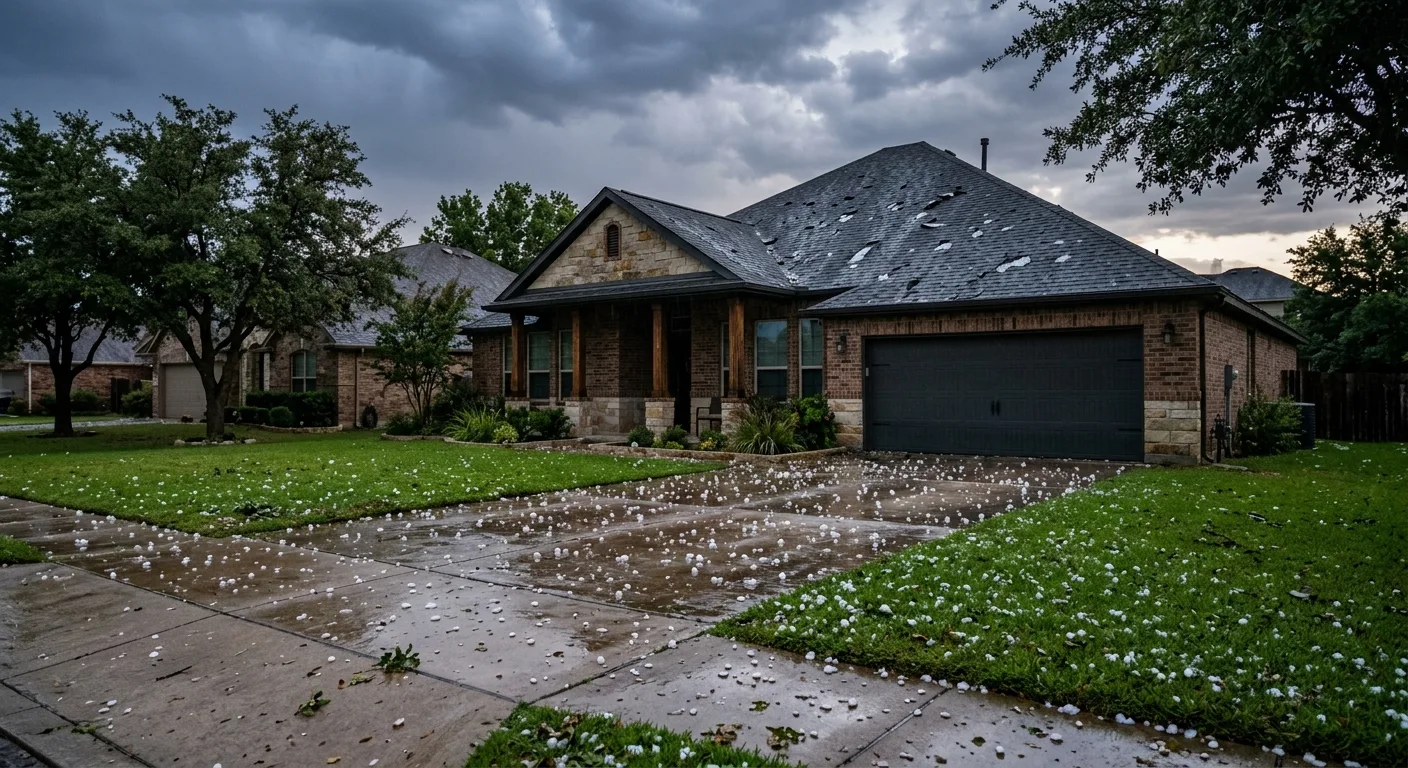
AI-generated roofer image for what-round-rock-homeowners-should-do-after-a-hailstorm-hits
Know the Warning Signs Before You Get on the Roof
Your first job after a hailstorm is a ground-level assessment. You are looking for visible indicators that your roof took a hit, and you can spot most of them without climbing a ladder. Common signs include broken or missing shingles, dented gutters or flashing, and granules from shingles accumulating at the base of your downspouts. That last one — granule loss — is easy to miss but important. Those granules protect the underlying asphalt from UV damage and moisture, and once they are gone, the clock on your roof's lifespan starts moving faster. If you spot any of these signs, stay on the ground. Call a reputable roofing company for a proper inspection rather than attempting to assess or patch things yourself. Slippery surfaces and compromised decking are not worth the risk.

AI-generated roofer image for what-round-rock-homeowners-should-do-after-a-hailstorm-hits
Document Everything Before You Touch Anything
Thorough documentation is what separates a smooth insurance claim from a frustrating one. Once the storm has passed and conditions are safe, take clear photographs of all visible damage — exterior and interior. Work systematically: roof surface, gutters, siding, windows, and then move inside to check your attic ceiling and interior walls for water stains or active leaks. Look specifically for dents or holes in siding and gutters, cracked windows or skylights, and any soft spots or discoloration on your attic ceiling. Note the date and time of the storm in writing, and keep every receipt for any emergency protective measures you take — boarding up windows, securing tarps, anything out of pocket. A written log of calls made to your insurance provider is also worth keeping. That paper trail matters when an adjuster arrives. For a deeper look at what hail actually does to a roof, our roof hail damage guide covers the specifics in detail.
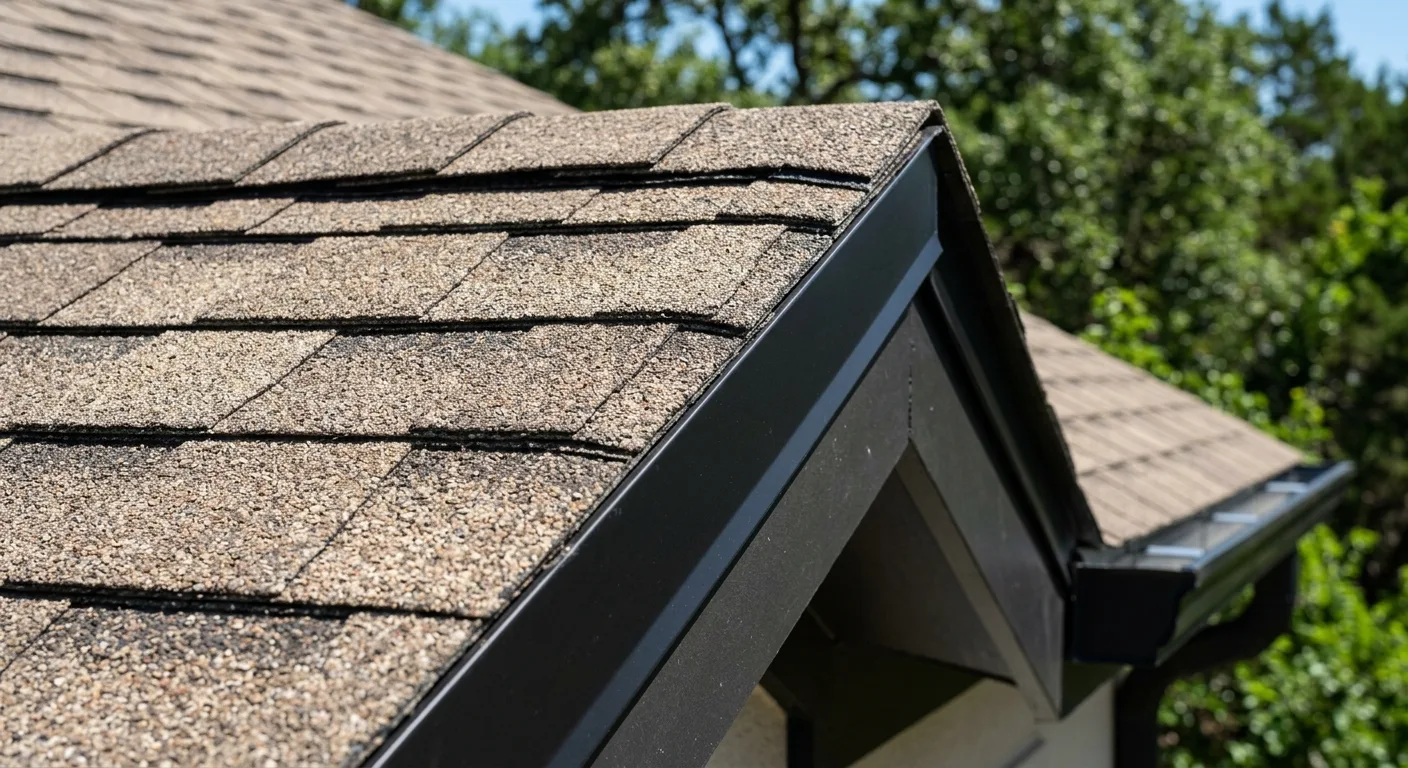
Prevent Further Damage While You Wait for Help
Before a roofing crew can get to your property, there are a few immediate steps you can take to limit the damage — as long as you can do them safely from ground level or inside the home.
Secure Broken Windows
Clear Debris From Walkways
Do Not Patch the Roof Yourself

AI-generated roofer image for what-round-rock-homeowners-should-do-after-a-hailstorm-hits
Call a Local Roofing Contractor Before You File the Claim
This is the step most homeowners skip — and it costs them. Getting a professional inspection before your insurance adjuster visits gives you independent documentation of what the storm actually did to your home. Experienced storm damage restoration contractors can identify damage that is easy to overlook — compressed shingles, cracked ridge caps, flashing lifted by wind — things that may not be obvious until they cause a bigger problem six months later. A good contractor will also help you understand whether your home needs emergency protection like tarping before full repairs can be scheduled. If you are not sure whether you are dealing with a situation that needs full replacement or a targeted repair, our article on storm restoration vs. roof repair breaks down the distinction clearly.
AI-generated roofer image for what-round-rock-homeowners-should-do-after-a-hailstorm-hits
Work With Your Adjuster — Don't Navigate It Alone
Once you have filed your claim, your insurance company will send an adjuster to assess the damage. Having a contractor present during that inspection is not just allowed — it is smart. Trusted roofing professionals can provide documentation and repair estimates that support your claim and ensure nothing gets minimized or missed. When the assessment confirms that repair alone is not sufficient, residential roof replacement becomes the right path forward. A full replacement protects your home's long-term value and closes the door on damage that partial repairs can leave open — especially given how often Central Texas hail season returns to the same neighborhoods year after year. All materials and work performed by Over and Above Contracting meet Texas building codes and insurance requirements, so your claim documentation reflects work that your insurer will actually stand behind.
Over and Above Contracting Is Ready to Help
If your Round Rock home has been hit by hail, Over and Above Contracting is ready to move quickly. Our local team handles professional storm damage assessments, insurance claim documentation, emergency tarping, and full roof replacement — all under one roof. We are your Round Rock neighbors, not a traveling crew that shows up after a storm and disappears just as fast. Reach out to us at (737) 230-7099 or visit our contact page to request a free inspection.
FAQ Common questions
Frequently Asked Questions
Answers below
What is the first thing to do after a hailstorm? +
Stay off the roof and document from the ground: photograph hail on the ground with something for scale, dents in gutters and screens, and any debris. Note the date and time of the storm — that timestamp anchors any claim you file.
Should I make temporary repairs before the adjuster arrives? +
Prevent further damage — tarp an active leak, move belongings out from under it — and keep receipts, because policies generally require you to mitigate and will reimburse reasonable costs. Do not make permanent repairs before the property has been inspected.
Should I call the insurance company or a roofer first? +
A roofer first, in most cases. An inspection tells you whether the damage plausibly exceeds your deductible before you open a claim, which avoids putting a denied or negligible claim on your record.
What should I do about door-to-door roofers after a storm? +
Slow down. Take the company name and verify a local address, insurance certificate, and references before signing anything, and never sign a document that authorizes work contingent on a claim you have not read. Anyone offering to cover your deductible is proposing insurance fraud.
Related
Explore
You Might Also Need
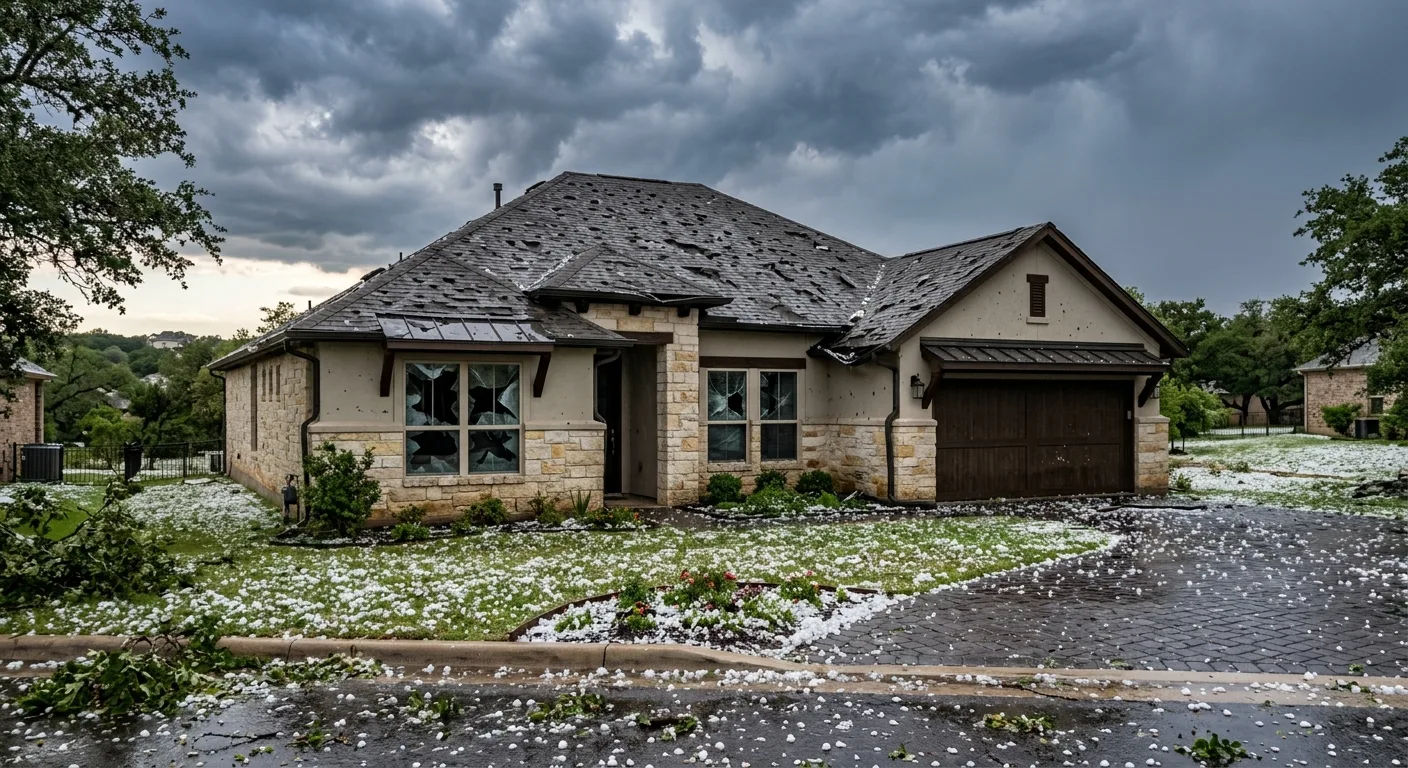
Hail And Storm Damage Restoration
Hail-damaged roof? Get it inspected before you call your insurer. Over and Above Contracting restores storm-damaged roofs right. Call Mike…
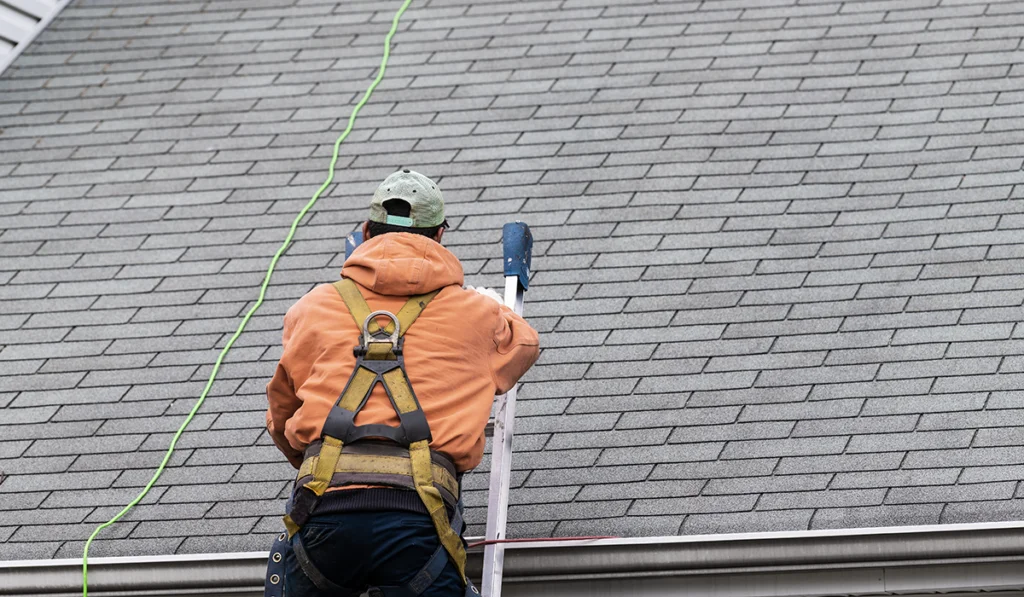
Reliable Repairs Emergency Roofing Services
Roof leaking after a storm? Here's what to do first. Over and Above Contracting responds fast, patches the damage, and protects your home.…

Residential Roofing Installation
New roof installation done right from decking to ridge cap. Get a free estimate from Mike Ennis at Over and Above Contracting. Call (737)…
Guides
From the Blog
Why Immediate Storm Damage Roof Repairs Matter In Central Texas
Delaying storm damage repairs in Central Texas costs more than you think. Learn what happens when you wait — and why fast action protects…
Why Local Storm Restoration Contractors Matter After A Major Texas Storm
After a major Texas hailstorm, who you call matters. Learn why local storm restoration contractors outperform out-of-town crews for Round…
Choosing The Right Roofing Contractor 6 Factors To Consider
Don't hire the wrong roofer. Here are 6 critical factors — licensing, local reputation, experience, and more — to help you make a confident,…